
Last updated November 22, 2026
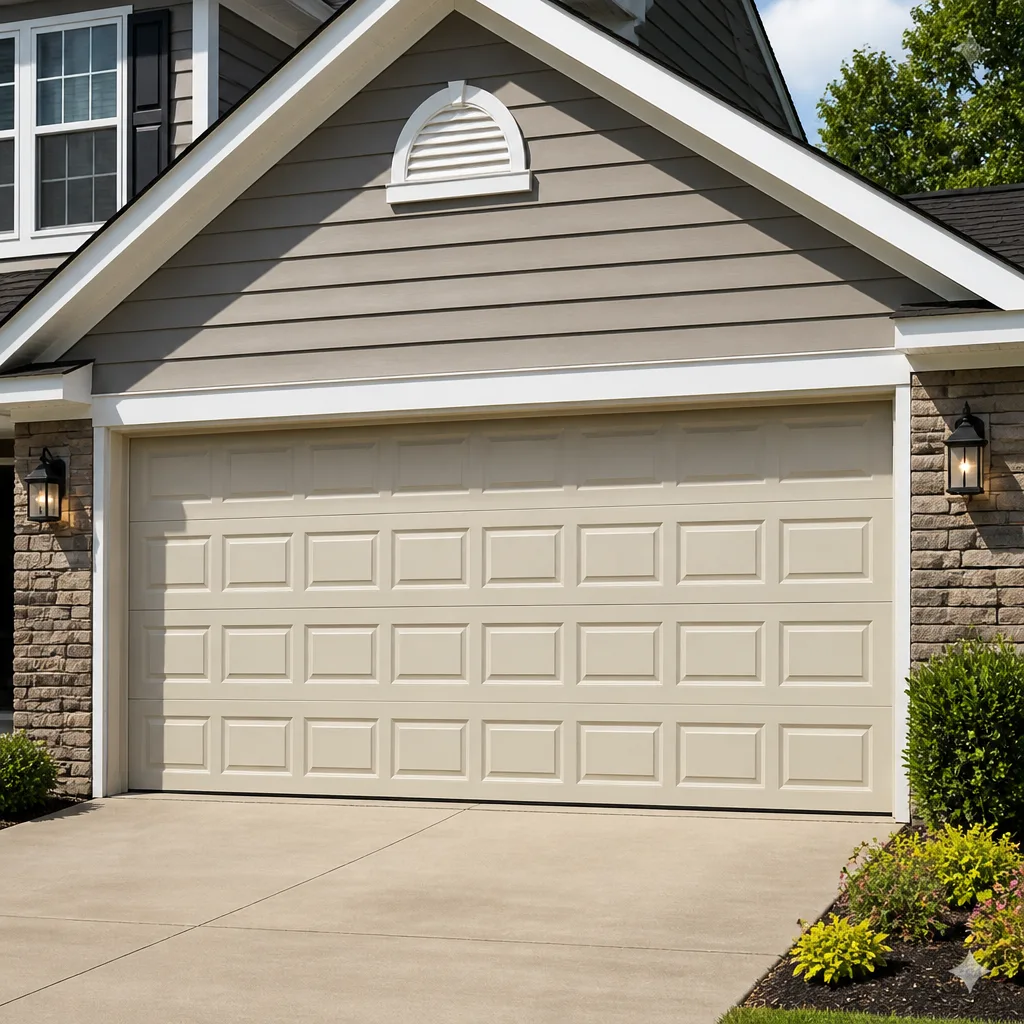 Raised-panel steel
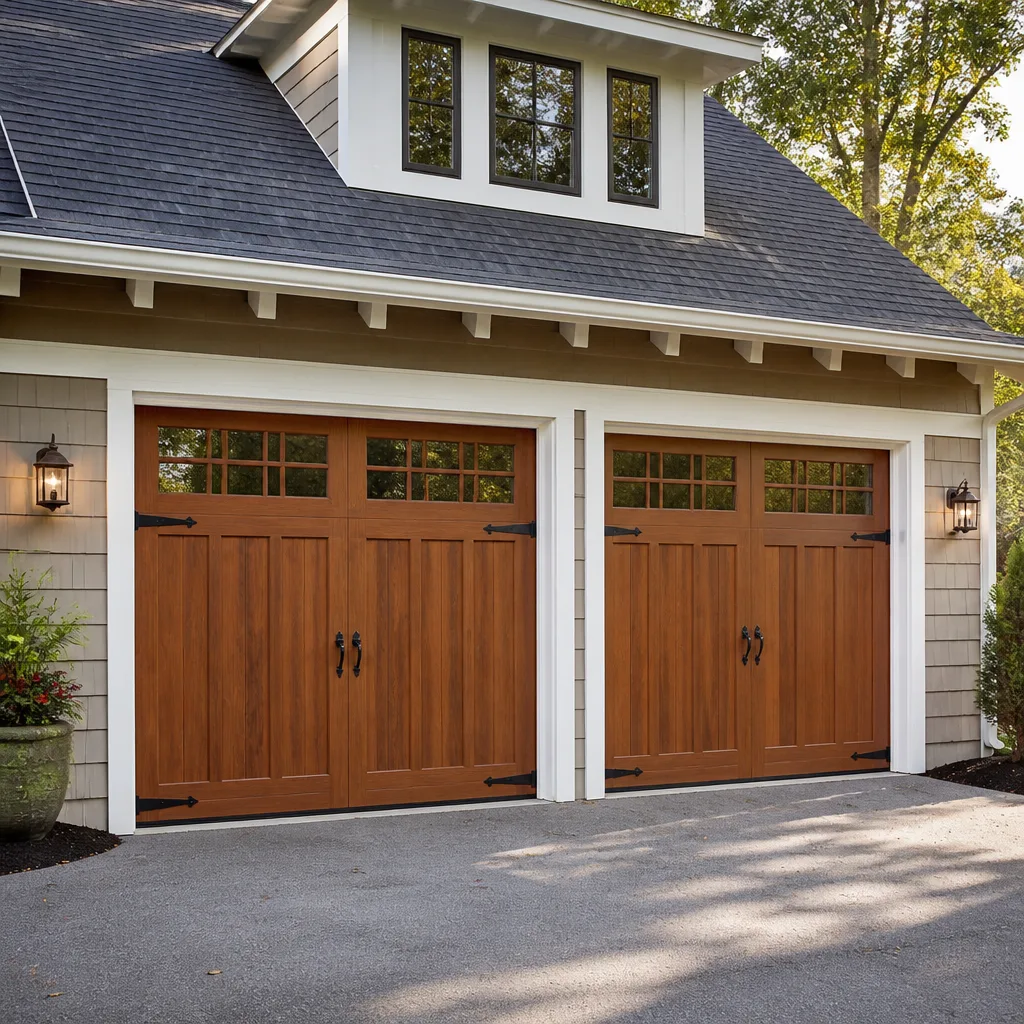 Carriage house
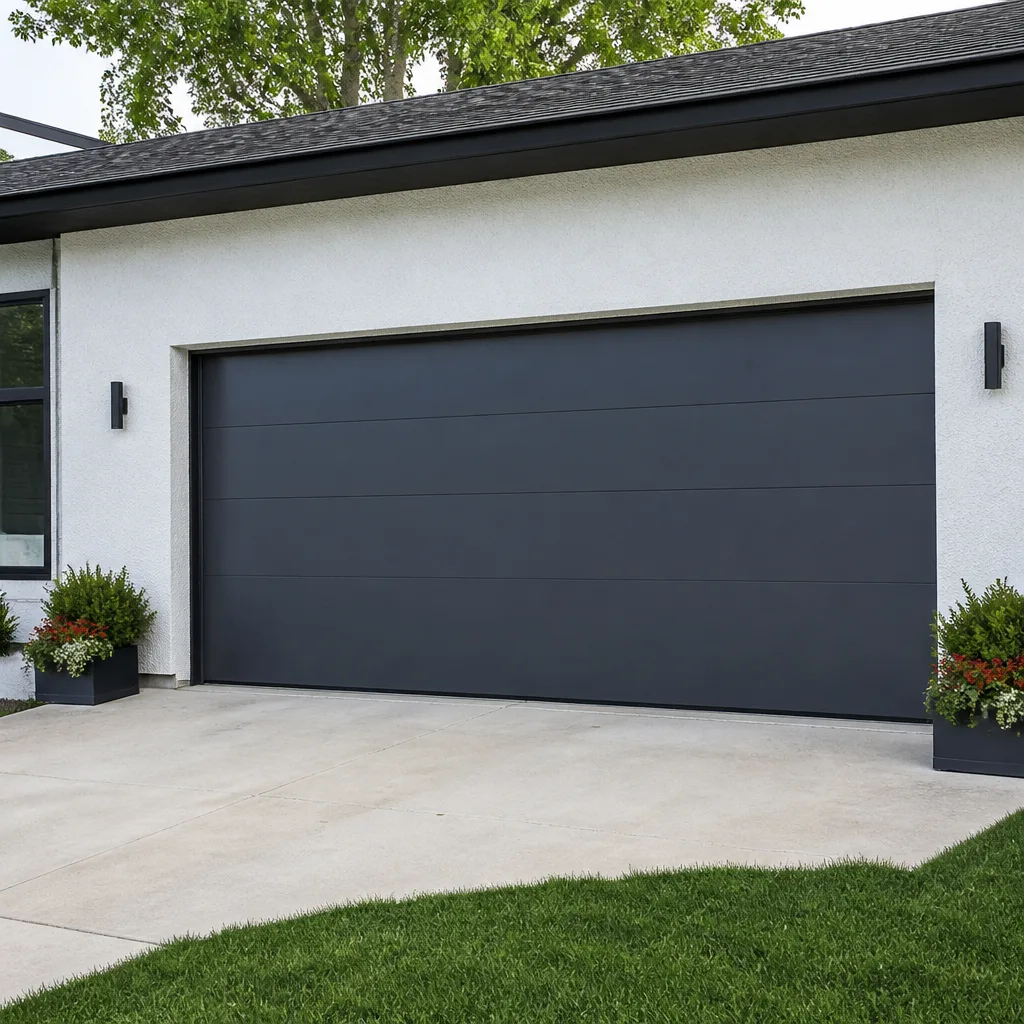 Modern flush
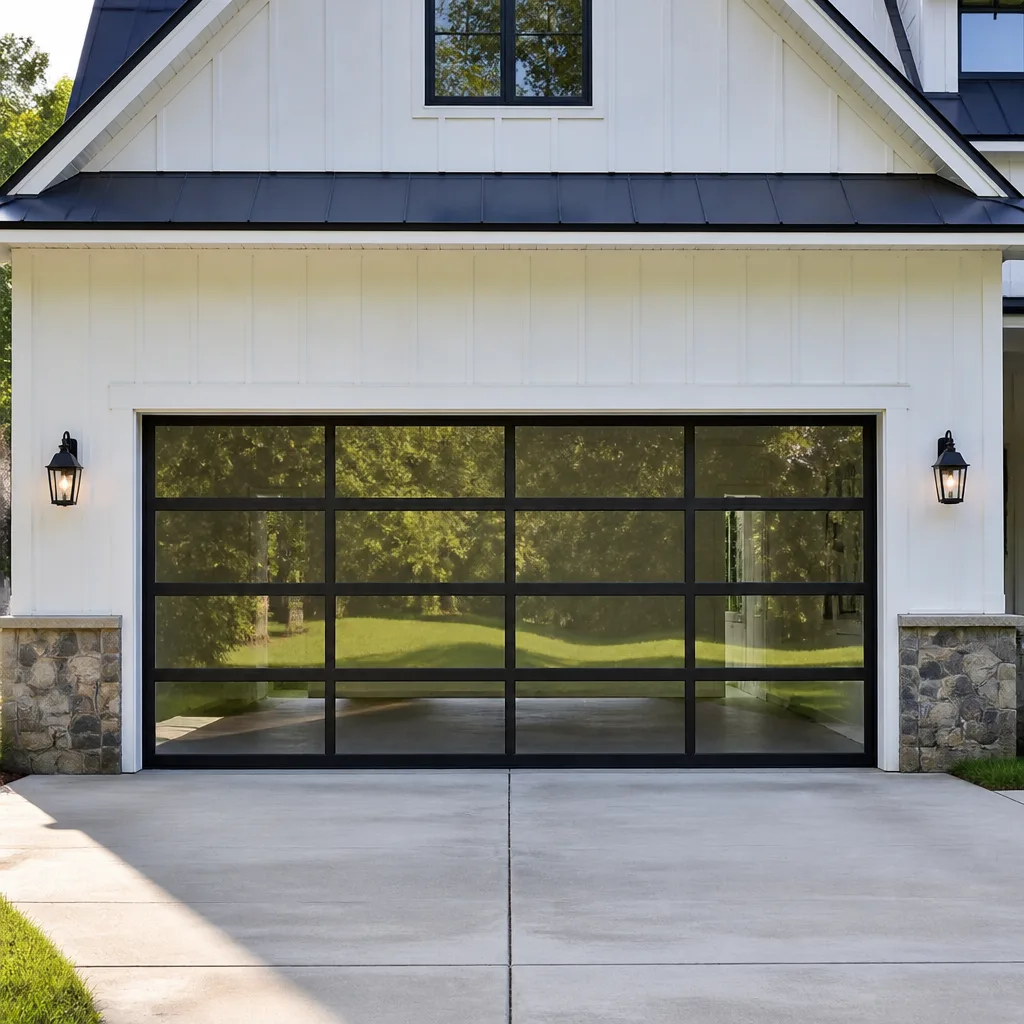 Full-view glass
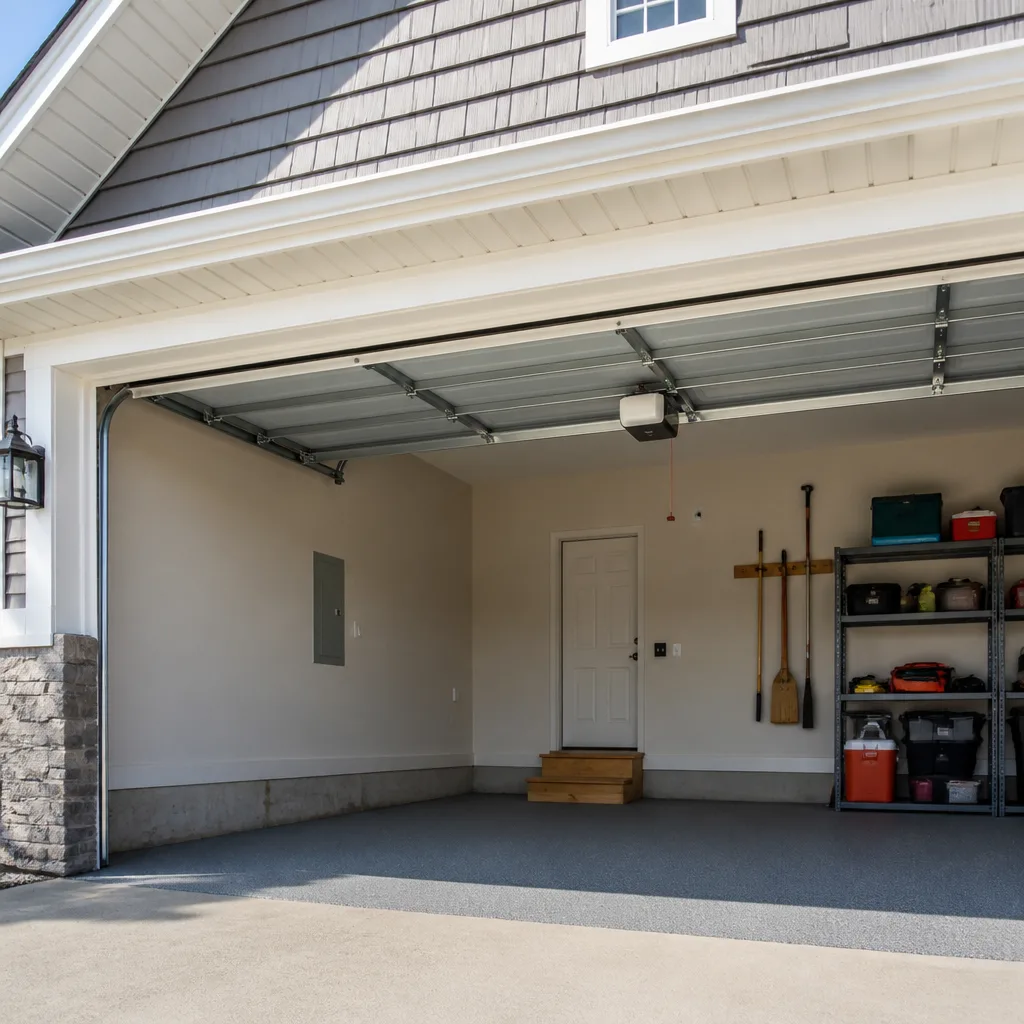 LiftMaster openers
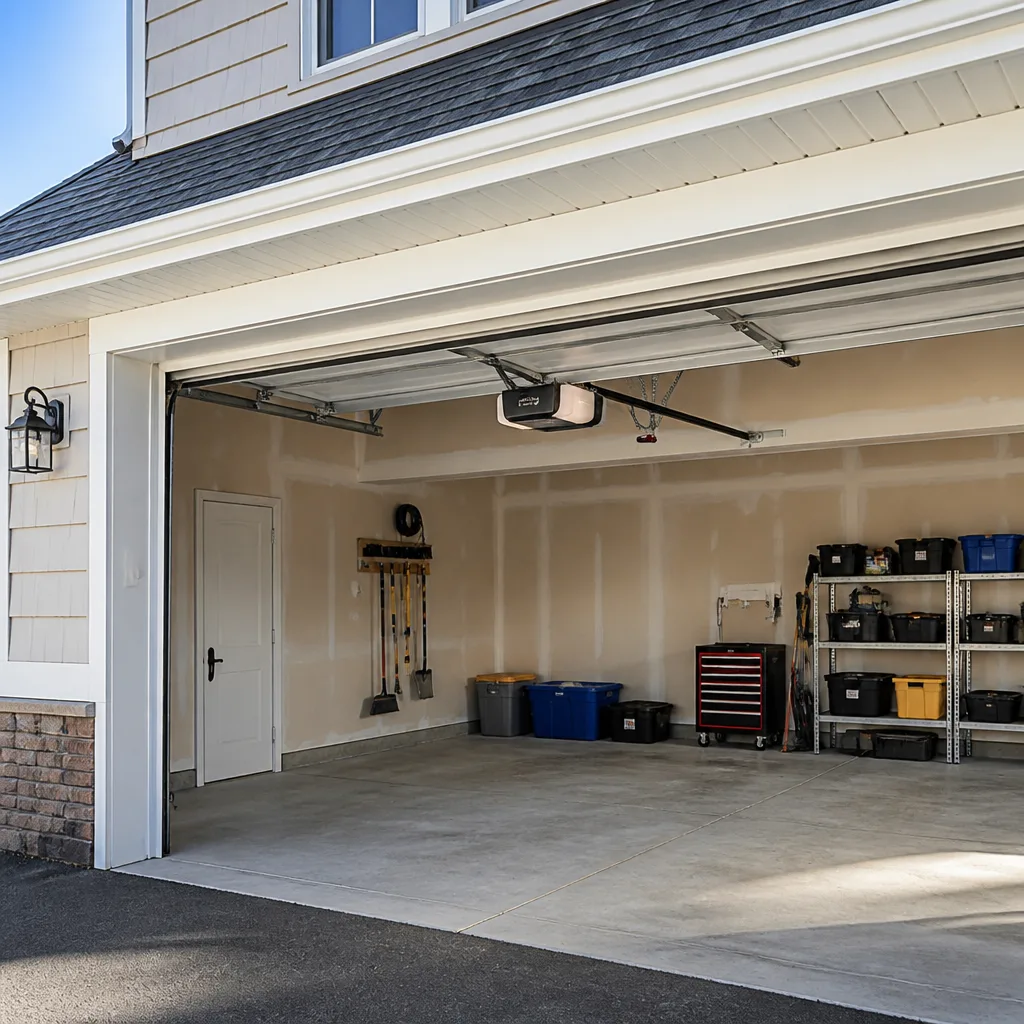 Chamberlain openers
Full 25-point door and opener safety check with every visit - springs, cables, rollers, tracks, and your LiftMaster or Chamberlain opener included
You get a price before we start. It does not change when the pro arrives.
Get your free estimateSeasonal Garage Door Care for Suffolk: Year-Round Homeowner’s Guide
Most garage door maintenance advice is written for a place that gets real winter. Suffolk doesn’t. Our coldest nights rarely sit below freezing for long, and by February the afternoons are already mild. That’s exactly why so many homeowners here skip cold-weather prep entirely, and it’s the wrong call. A single overnight drop to 28°F is enough to crack a torsion spring that never got its fall lubrication, and a spring that fails under load is a problem you can’t ignore. What follows is a calendar built for Suffolk’s actual weather: the humidity ramp that starts in April, the hurricane window that peaks in late summer, and the freeze-thaw swings that hit Hampton Roads differently than they hit inland Virginia. We’ll walk through what to check, when to check it, and where the real risks sit.
Styles & brands we work with
- Raised-panel steel
- Carriage house
- Modern flush
- Full-view glass
- LiftMaster openers
- Chamberlain openers
Quick Answer
Seasonal garage door care in Suffolk comes down to three moves: lubricate the springs, rollers and hinges in April before humidity climbs, inspect and secure the door in July before hurricane season peaks, and tune the whole system in October before the first freeze-thaw swings arrive. Add a spring catch-up inspection in late winter, keep the opener’s circuit board ventilated through summer, and you’ve covered the year. The single most skipped step is fall lubrication, and it’s the one that decides whether a cold January night cracks a spring.
Table of Contents
- Why Suffolk’s Climate Breaks the Standard Maintenance Calendar
- Spring Checklist: What to Do in Suffolk Before Humidity Peaks
- Hurricane Prep for Your Garage Door (Without Wrecking the Hardware)
- Fall Lubrication in a Humid Climate: What Actually Holds Up
- Winter Freeze-Thaw: The Short Window That Does Real Damage
- The Spring Catch-Up Inspection Suffolk Homeowners Skip
- How Summer Heat Stresses Your Opener’s Circuit Board
- Brand-by-Brand Notes: Working With the System You Already Own
- Common Mistakes to Avoid
- When to Call a Professional
- Frequently Asked Questions
- The Bottom Line
Why Suffolk’s Climate Breaks the Standard Maintenance Calendar
Most maintenance calendars assume four clean seasons. Suffolk doesn’t hand you four clean seasons. What we get instead is a long, humid stretch from spring into early fall, a hurricane window that overlaps it, and a short winter that swings above and below freezing instead of staying cold. Each of those patterns stresses a garage door in a different way, and none of them line up with the “check it in spring and fall” advice you’ll find on most manufacturer pages.
Humidity is the first thing to understand. From April onward, the air in Suffolk holds moisture that works its way into hinges, rollers and the spring assembly. Metal parts that were fine in March start to bind by June. The door gets heavier to lift, the opener works harder, and the springs carry more load than they were designed for. That’s a slow problem, but it compounds.
The hurricane window is the second pattern. Suffolk sits in a part of Hampton Roads where tropical systems are a real seasonal concern, and the garage door is usually the largest opening on the house. Preparing it for a named storm is a specific job with specific steps, and doing it wrong can damage the tracks or the panels.
Winter is the third. It’s short, but it swings. A week of mild afternoons followed by a hard overnight freeze puts the spring through repeated expansion and contraction. Springs are steel under tension, and that cycle is exactly what makes brittle metal crack. A well-lubricated spring handles it. A dry one doesn’t always.
So the calendar that works here isn’t spring and fall. It’s April, July, October, plus a catch-up inspection in late winter. Four touch points, each timed to a real local pattern rather than a page from a national guide. Whether you’re in Chuckatuck, Driver, Harbour View or downtown Suffolk, the timing is the same because the weather is the same.
Spring Checklist: What to Do in Suffolk Before Humidity Peaks
April is the most important maintenance month in Suffolk, because everything you do now either prepares the door for five humid months or leaves it to bind up by June. The goal is simple: get lubricant into every moving joint before the air gets heavy, and confirm the door is balanced so the springs aren’t carrying more than they should. Here’s the order we recommend.
- Look at the springs first, from a distance. With the door closed, check the torsion spring above the door or the extension springs along the tracks for visible gaps, rust streaks or a stretched, uneven coil. Don’t touch them. If anything looks off, stop and book a technician.
- Test the balance. Disconnect the opener using the release cord, lift the door halfway by hand, and let go. A balanced door stays put. One that drifts down fast or feels unusually heavy is telling you the springs are working overtime.
- Lubricate the moving parts. A garage-door-specific lubricant on the hinges, rollers, bearing plates and the length of the torsion spring. Not on the tracks. Tracks stay dry.
- Check the weather seal along the bottom. A cracked or flattened seal lets humid air and pests in, and it puts uneven pressure on the door as it closes.
- Test the safety reverse. Put a block of wood in the door’s path and close it. The door should reverse on contact. Test the photo-eye sensors the same way by passing an object through the beam.
- Listen to the opener. Grinding, rattling or a motor that sounds strained in April will sound worse in August. Note it now.
That’s a homeowner-level inspection. It takes an afternoon and it catches the things that are cheap to fix in April and expensive to fix in July. For anything involving the springs themselves, see our page on garage door spring repair, because spring work is not a homeowner job.
Hurricane Prep for Your Garage Door (Without Wrecking the Hardware)
A garage door is the largest moving opening on most Suffolk homes, and in a named storm it’s the part of the house most likely to fail first. The good news is that preparing it doesn’t require much, and the right steps protect the door as well as the house. The wrong steps, though, can bend a track or crack a panel, and then you’re dealing with a repair in the middle of storm season.
Start with a reinforcement plan that matches your door type. A lightweight single-car door and a heavy insulated double-car door don’t need the same treatment, and the manufacturer of your door usually specifies what’s appropriate. If you own a Clopay or Amarr door, the reinforcement kit designed for that door is the one to use. Universal kits that clamp onto the panels can distort them.
Here’s the storm-prep sequence we recommend for Suffolk homeowners when a system is forecast:
- Clear the tracks and the door path. Anything stored against the door or leaning on the tracks comes out first.
- Check the door’s lock or slide bolt. If your door has a manual lock, engage it before the storm. If it doesn’t, don’t improvise with a bar through the tracks.
- Inspect the tracks for bends or loose brackets. A track that’s slightly out of alignment in calm weather will jump under wind pressure.
- Lower the door fully and confirm the bottom seal is seated. A gap at the floor lets wind-driven rain straight into the garage.
- Disconnect nothing. Leave the opener engaged so the door stays locked down. If the power goes out, use the release cord only if you need to get a vehicle out.
- After the storm, inspect before you open it. Look for bent panels, popped hinges, tracks out of alignment, and anything that looks like the spring has shifted. Running the opener on a damaged door turns a small repair into a big one.
If the door comes through the storm with damage, that’s when garage door repair matters most, and it’s worth having a number on hand before the season starts rather than hunting for one after the power comes back.
Fall Lubrication in a Humid Climate: What Actually Holds Up
Standard advice says to lubricate your garage door in the fall and again in the spring. In Suffolk, that schedule is close but not quite right, and the product matters as much as the timing. The humid stretch here runs long, and a general-purpose lithium grease that works fine in a dry climate will thin out, pick up grit and migrate off the joint within a couple of months. Then the joint runs dry through the part of the year when it’s working hardest.
What holds up better in our experience is a garage-door-specific spray lubricant, ideally one that goes on as a light film and stays put rather than running. The application matters as much as the product:
- Hinges: a short burst into the pivot point of each hinge, not on the face of the hinge.
- Rollers: a drop on the roller stem where it meets the hinge. Never on the roller wheel itself inside the track.
- Torsion spring: a light coating along the coil. This is the one that matters most for cold-weather survival.
- Bearing plates: a small amount at the center and end plates where the torsion bar turns.
- Tracks: nothing. Tracks are meant to stay dry, and lubricant in a track collects grit and causes the door to bind.
Do this in October, after the summer humidity has broken and before the first cold nights. Then do a lighter pass in April as part of the spring checklist. Two passes, correctly applied, get you through the year. One pass with the wrong product doesn’t.
One more note specific to Suffolk: if your door faces west or sits under a tree canopy, humidity plus pollen means the joints pick up grit faster. Wipe the hinges and roller stems with a dry cloth before you lubricate. Applying fresh lubricant over grit does nothing useful.
Winter Freeze-Thaw: The Short Window That Does Real Damage
Suffolk winters are mild by most standards, and that’s exactly the problem. Because it doesn’t stay cold, the temperature swings. A 60°F afternoon in January followed by a 28°F overnight puts the torsion spring through a full expansion and contraction cycle, and it does that several times a week through the coldest stretch. Steel under tension doesn’t love that cycle. A spring with a light film of lubricant handles it without complaint. A dry one can develop a hairline crack that finally gives way on a cold morning when you hit the opener.
What we’d suggest for the winter window:
- Lubricate in October, not December. Once the cold settles in, spraying lubricant on a cold spring doesn’t penetrate as well.
- Watch for a door that suddenly feels heavier. If the door used to lift easily and now strains, the spring has weakened. That’s a warning, not a quirk to live with.
- Listen on cold mornings. A sharp crack or a bang when the door opens is a classic spring failure sound. Stop using the door and call.
- Don’t force a frozen door. If the bottom seal has frozen to the floor, don’t run the opener against it. Free it gently by hand.
- Check the door after any hard freeze. A quick visual on the springs and a balance test tells you whether anything shifted.
If a spring does fail, the door is out of service until it’s fixed, and the fix is a job for a trained technician. Torsion and extension springs are the most dangerous parts of any garage door, storing enough energy to cause serious injury if handled wrong. When that happens, we’re set up to respond, and our garage door opener repair side covers the motor and control problems that come up in the same cold snaps.
The Spring Catch-Up Inspection Suffolk Homeowners Skip
By the time April arrives, the door has been through a winter of freeze-thaw cycles, and most homeowners never look at it. The door still opens, so it seems fine. But that’s the gap where small problems turn into big ones, because a spring that’s weakened through winter doesn’t announce itself until it snaps, and by then the door is stuck.
The catch-up inspection is simply a proper look at everything the winter touched. It’s the one step we see skipped most often in Suffolk, and it’s the one that pays for itself.
- Full spring inspection. Both springs, from a safe distance, for rust, gaps or uneven coil spacing. If one spring of a matched pair has weakened, the pair is usually replaced together.
- Balance test. Release the opener, lift the door halfway, and check that it holds. A door that drifts means the springs need attention.
- Track alignment. The freeze-thaw cycle shifts the ground slightly, and the tracks shift with it. A track out of plumb causes the rollers to bind.
- Hinge and roller check. Look for worn hinges, cracked nylon rollers or a roller that’s popped out of the track.
- Weather seal check. Winter cold hardens the bottom seal. Look for cracks, and confirm it still contacts the floor evenly across the width.
- Opener inspection. Test the safety reverse and the photo-eye sensors, and listen for anything new in the motor.
The catch-up inspection catches that sequence before it turns into a repair on the first hot day of the year. It’s also the moment to book anything that needs a technician before the spring and summer rush, when everyone else in Suffolk discovers the same problems at the same time.
How Summer Heat Stresses Your Opener’s Circuit Board
If your garage faces south or west, the attic above it is an oven by July. Garage temperatures in Suffolk routinely climb well past outdoor temperatures, and the opener motor and circuit board sit right in that heat. Most opener failures we see in summer aren’t mechanical. They’re electronic, and heat is usually part of the story.
The circuit board is the sensitive part. It controls the logic, the safety reverse, the radio receiver and the travel limits. When it runs hot for months, the solder joints and capacitors take a beating, and the symptoms show up gradually: the remote works only up close, the door stops partway, or the opener needs a second press to respond. By the time it fails outright, you’re dealing with a dead opener in the middle of summer.
What helps:
- Ventilate the garage. A gable vent, a ridge vent or even a powered roof vent in the attic above the garage makes a real difference to the temperature the opener sees.
- Keep the opener clear. Don’t stack boxes against the motor head or block the light lens. Airflow matters.
- Check the wall outlet and wiring. A loose connection causes voltage drops that stress the board as much as heat does.
- Watch the symptoms. Shortened remote range, a door that stops at the same spot every time, or a motor that clicks without moving all point to a board on its way out.
- Consider the opener’s age. Legacy openers, including older Craftsman and Genie units, run hotter and have less thermal protection than modern LiftMaster and Chamberlain models.
If the opener is on its way out, replacing it before it dies is far less disruptive than replacing it after, when the door is stuck. If you’re not sure whether the issue is the board or the motor, a diagnostic visit settles it quickly.
Brand-by-Brand Notes: Working With the System You Already Own
One of the things that trips up homeowners is brand mismatch. They call a generalist, the generalist isn’t familiar with the opener, and the job turns into guesswork. We’re set up to work on the brand you already have, whether that’s a door, an opener or both. That covers Amarr and Clopay doors, Wayne Dalton and Raynor systems, Craftsman and Genie openers, and the LiftMaster and Chamberlain lines that most smart-home setups run on.
Some seasonal notes by system type:
- LiftMaster and Chamberlain: the myQ ecosystem is where most smart-home openers live. Summer heat and Wi-Fi interruptions can cause the app to report the door as open when it isn’t. Check the physical door before assuming a fault.
- Genie: older Genie units are sensitive to voltage drops, which show up more in summer. A dedicated circuit helps.
- Craftsman: many Craftsman openers in Suffolk are legacy units still going strong. They run hotter and benefit most from ventilation.
- Wayne Dalton and Raynor: door hardware on these systems is specific, and using the right rollers and hinges matters more than on a generic door.
- Amarr and Clopay: insulation and panel construction vary across the range, which affects how the door behaves in humidity and how it should be braced for storm season.
If you’re not sure what you have, the label on the opener head or the door’s edge usually tells you. And if the system is due for replacement rather than repair, we handle that too. Whether you’re starting from Suffolk Garage Door Repair Pros or from a specific problem, the same technicians cover repair, opener work, springs and full installation, so you’re not passing the job to a second provider halfway through.
Common Mistakes to Avoid
- Skipping fall lubrication because winter is mild. Mild winters in Suffolk swing above and below freezing, and a dry spring cracks under that cycle. A light film in October is the cheapest insurance you can buy.
- Greasing the tracks. Tracks are meant to stay dry. Lubricant collects grit, the rollers bind, and the opener works harder. It’s one of the most common errors we see on Suffolk doors.
- Using lithium grease in a humid climate. It thins, migrates and picks up grit through the long humid stretch. A garage-door-specific spray holds up far better.
- Bracing a storm door with improvised hardware. Bars through tracks, clamps on panels or a two-by-four wedged against the door can bend the tracks or crack the panels. Use the reinforcement designed for your door.
- Running the opener on a damaged door after a storm. A bent track or shifted spring plus motor force turns a small repair into a full replacement. Inspect by hand first.
- Ignoring a door that feels heavier. A door that used to lift easily and now strains is telling you the spring is weakened. Waiting for the snap means the door is stuck until it’s fixed.
- Skipping the late-winter catch-up inspection. The winter freeze-thaw cycle leaves small problems behind, and the door still working is not proof it’s fine. A proper look in late winter catches them before they grow.
When to Call a Professional
Some seasonal care is homeowner work. Some isn’t, and knowing the line matters. Call a professional if a spring is visibly cracked, stretched or has a gap in the coil; if the door feels heavy or drops when released halfway; if a cable looks frayed or has come off a drum; if the door is off its tracks or a panel is bent; if the opener clicks without moving the door, or stops at the same spot every time; or if the safety reverse doesn’t work when you test it. Springs, cables and torsion hardware are the most dangerous parts of a garage door, storing enough energy to cause serious injury if handled wrong, and they should always go to a trained technician.
Suffolk Garage Door Repair Pros offers free estimates in Suffolk, and we work on the brand you already have, from LiftMaster and Chamberlain openers to Amarr and Wayne Dalton doors. If the door is stuck open, stuck closed or a security risk, call (855) 894-0378. We answer 24/7. Fast dispatch from 7am to 7pm, Sunday through Friday, and we’re closed Saturday.
Frequently Asked Questions
Twice a year for lubrication and a safety check, timed to late April and late October, plus a catch-up inspection in late winter. That’s more than most national maintenance calendars suggest, but Suffolk’s long humid stretch and short freeze-thaw winter put more stress on springs and hinges than a dry climate does. The two key lubrication passes are what protect the springs through the cold snaps.
Fall lubrication. It’s the one step that decides whether a spring survives the winter, and it’s the one Suffolk homeowners skip most often because the winter here feels mild. A 28°F overnight after a warm afternoon is enough to crack a brittle spring, and a spring with a film of lubricant handles that cycle without complaint. Call (855) 894-0378 if you’re not sure the springs are in shape.
Yes. Check the tracks and hardware, seat the bottom seal, engage any manual lock, and use storm reinforcement designed for your door rather than improvised bars or clamps. After the storm passes, inspect the door by hand before running the opener, and look for bent panels, popped hinges or shifted tracks. If something’s damaged, call (855) 894-0378 for an estimate.
You can apply a light coating of garage-door lubricant along the spring coil while the door is closed, and that’s worth doing in October. What you shouldn’t do is adjust, remove or repair a spring. Torsion and extension springs store enough energy to cause serious injury, and any work beyond a surface coating belongs with a trained technician. Call (855) 894-0378 if a spring looks cracked or the door feels heavy.
Heat is the usual reason. A south- or west-facing garage gets very hot in July and August, and the opener’s circuit board sits in that heat. A loosened connection or blocked airflow makes it worse. Symptoms like shortened remote range or a door that stops at the same spot point to a board under heat stress. Ventilating the garage and keeping the motor clear helps, and a diagnostic visit settles whether it’s the board or the motor.
The local professional we connect you with is licensed and insured as their state requires. Our technicians have up to 9 years of experience, and we work on the brand you already have, including LiftMaster, Chamberlain, Genie, Clopay, Amarr, Wayne Dalton, Craftsman and Raynor systems. The price is quoted and agreed before any work starts, and estimates are free. Call (855) 894-0378 to book one.
Yes, same-day service is part of what we do, and emergency work is a core offering rather than an add-on. Call (855) 894-0378. We answer 24/7. Fast dispatch from 7am to 7pm, Sunday through Friday, and we’re closed Saturday. A call outside dispatch hours is booked into the next opening.
The homeowner-level checks are: a balance test, a visual on the springs from a safe distance, lubricating hinges and rollers, and testing the safety reverse. That’s worth doing. Anything involving the springs, cables or torsion hardware is not, because of the stored energy involved. The seasonal care is what keeps the door out of the “stuck closed” column, and a professional inspection once a year catches what you can’t see.
The Bottom Line
Suffolk’s climate doesn’t reward the standard four-season maintenance calendar. It rewards a local one: April for lubrication before humidity climbs, July for storm prep and hardware inspection, October for the lubrication pass that carries the springs through winter, and a late-winter catch-up inspection the door is almost certainly due for. Add ventilation for the opener in summer and the right product for a humid climate, and you’ve covered the year. The springs are the part that matters most and the part you should never touch yourself. If the door feels heavy, sounds wrong on a cold morning, or fails in a storm, call us. Suffolk Garage Door Repair Pros offers free estimates in Suffolk, we work on the brand you already have, and we cover repair, opener repair, spring repair and full installation under one provider. Call (855) 894-0378. We answer 24/7. Fast dispatch from 7am to 7pm, Sunday through Friday, and we’re closed Saturday.
Written by the team at Suffolk Garage Door Repair Pros.
See the difference
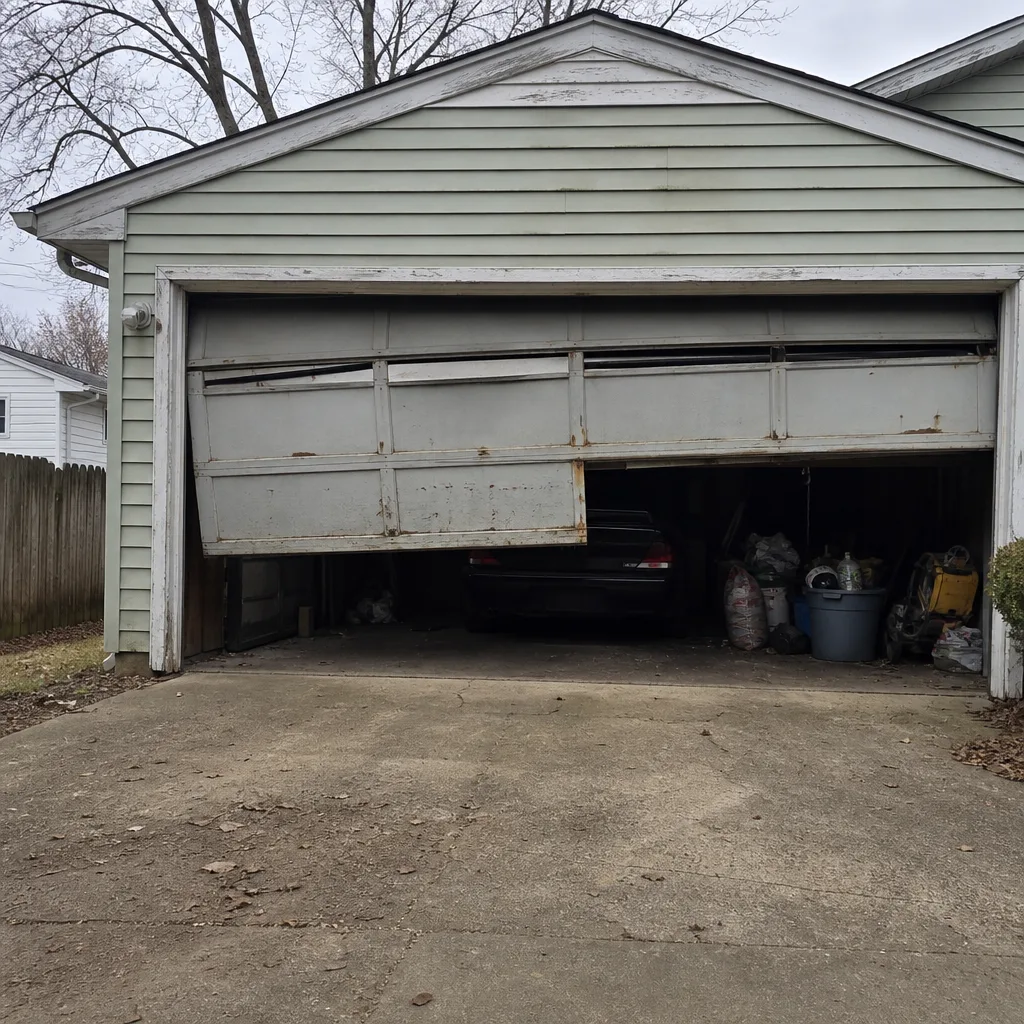 Before
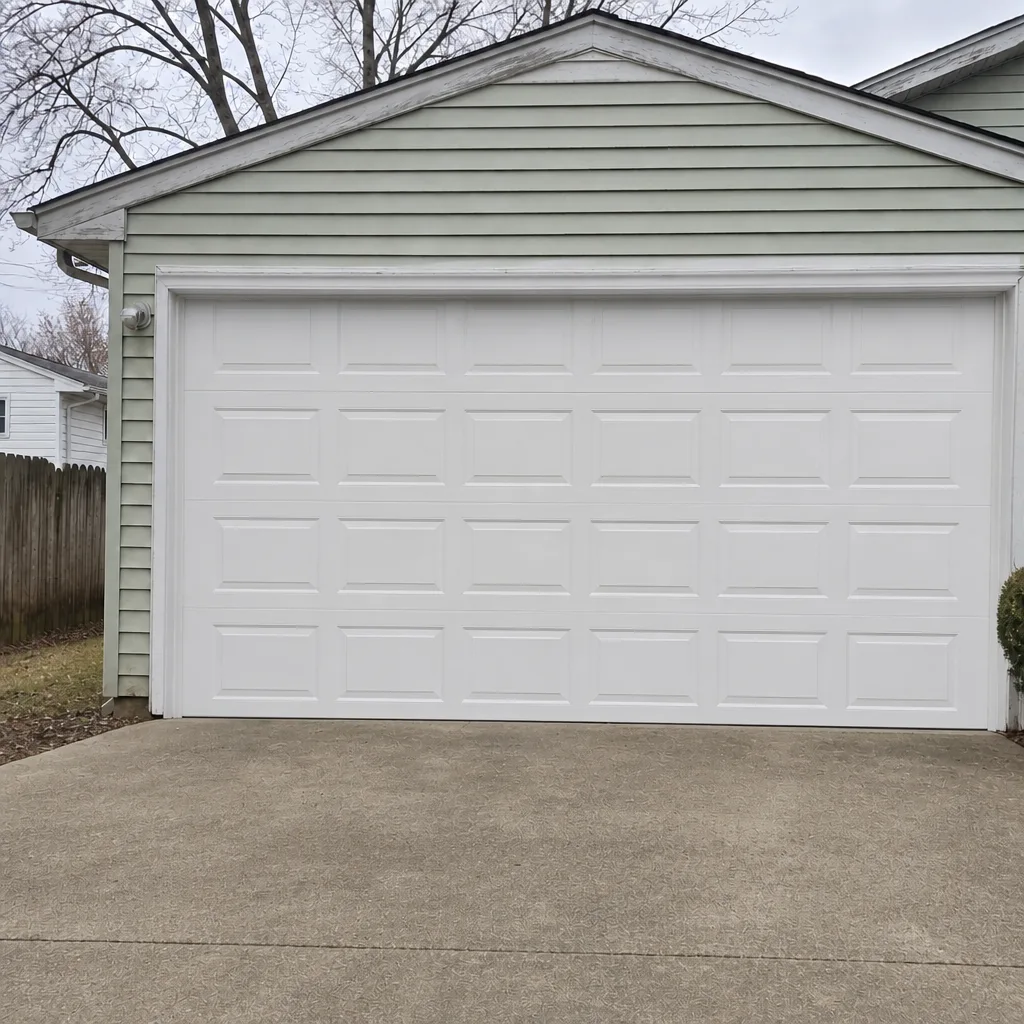 After
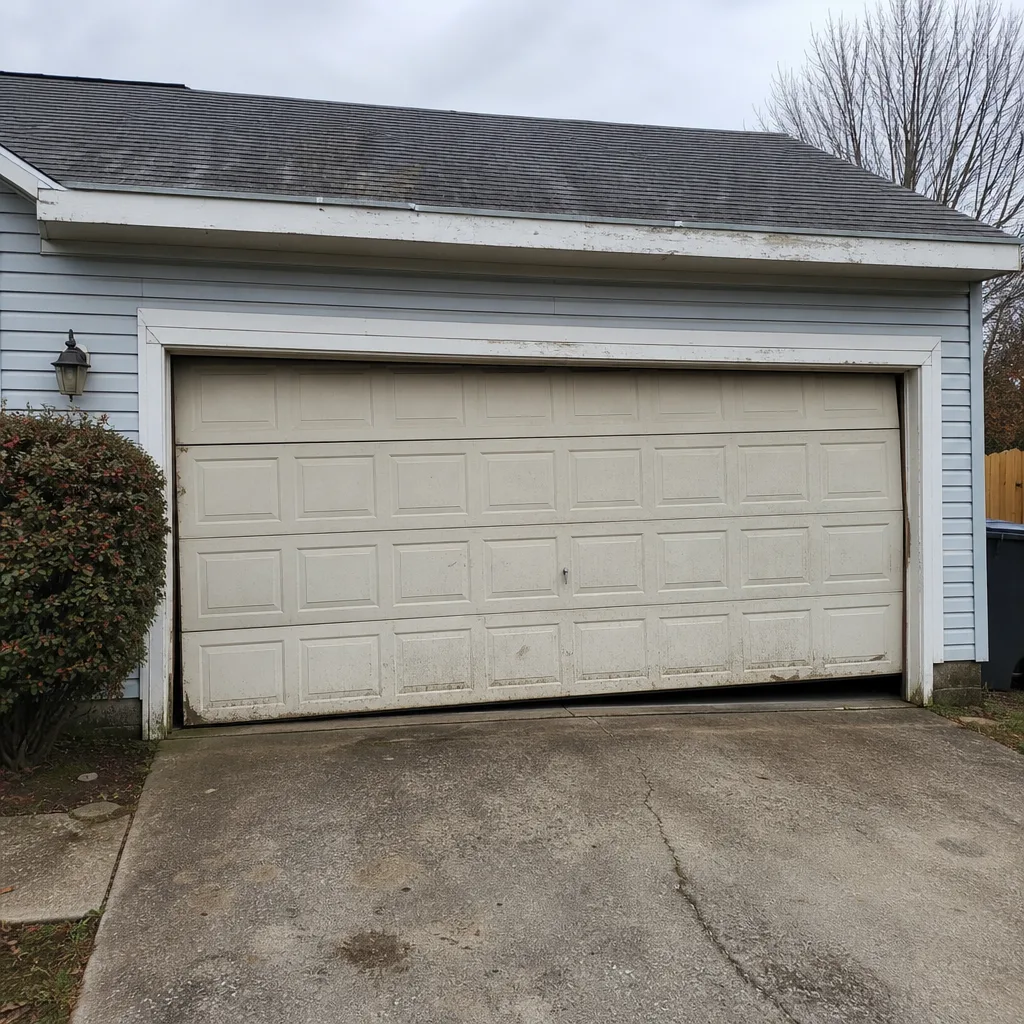 Before
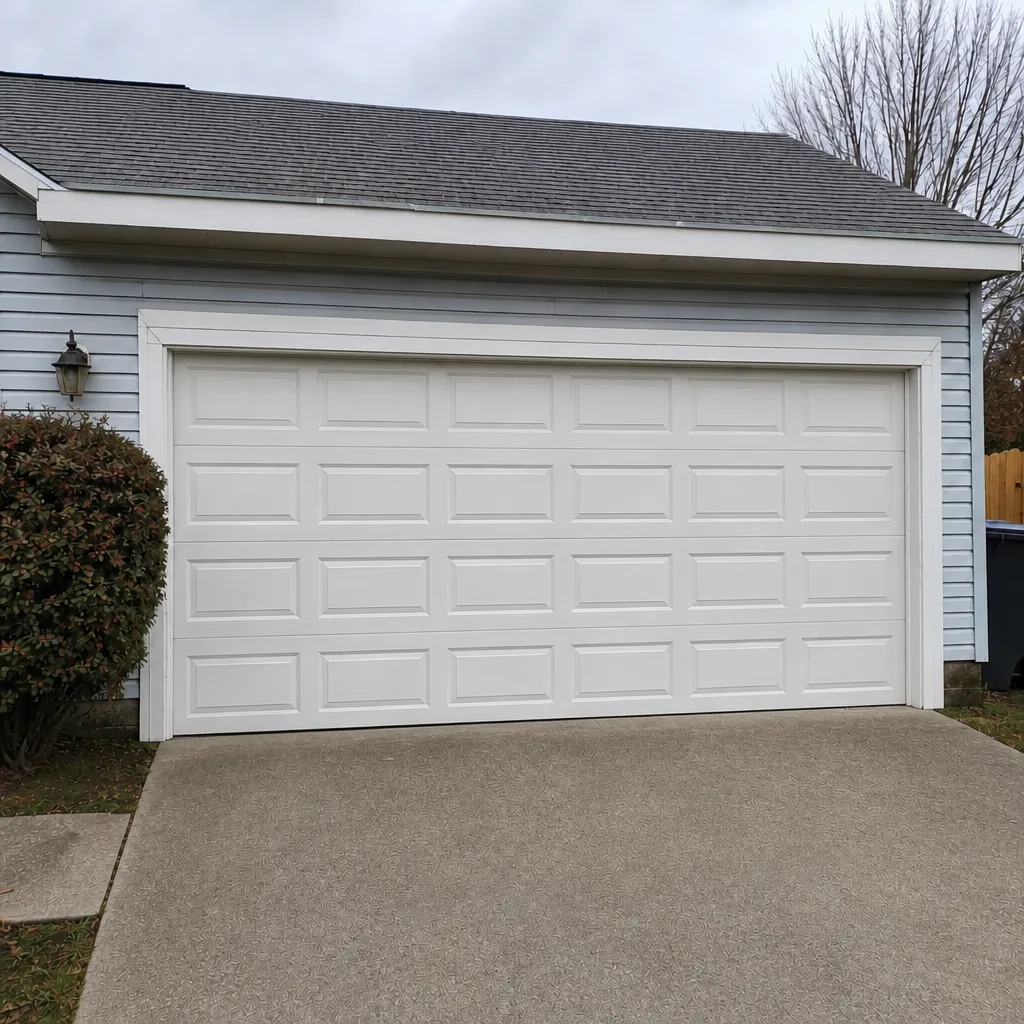 After
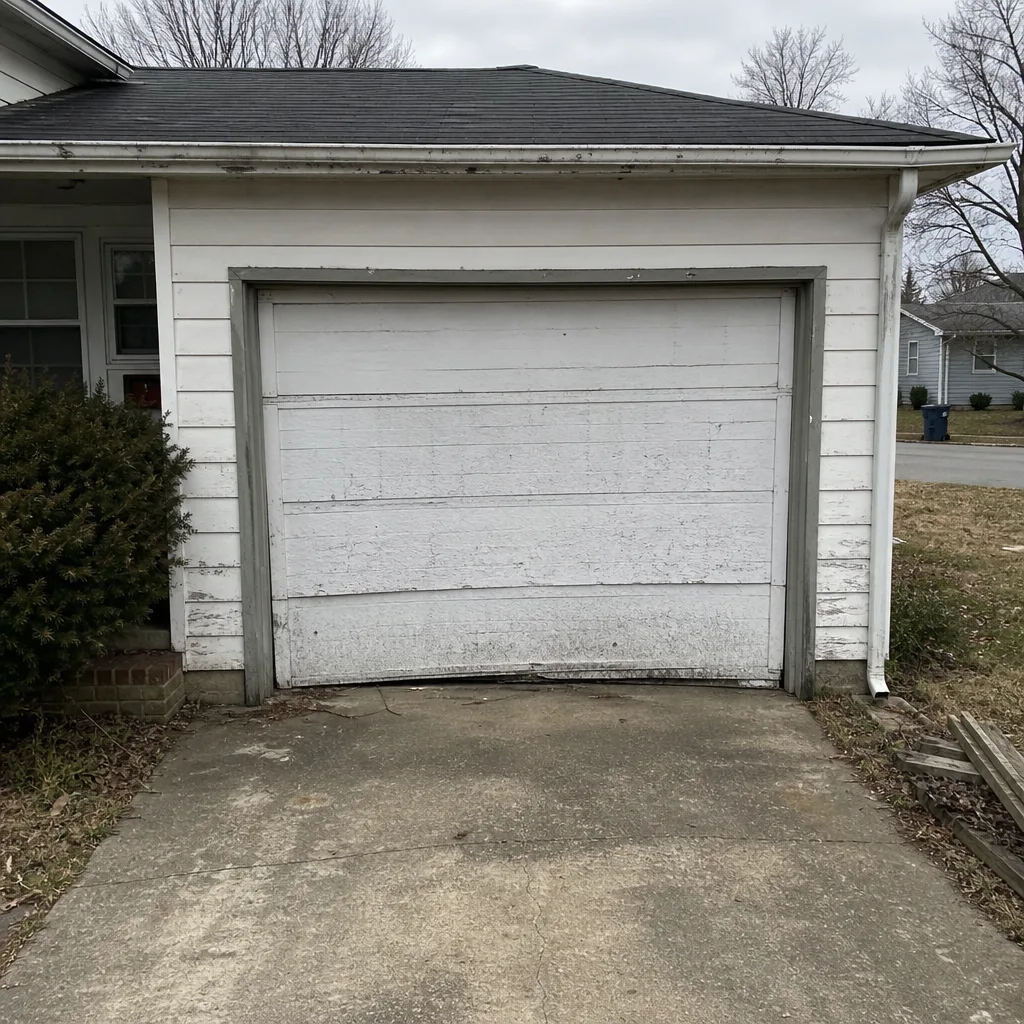 Before
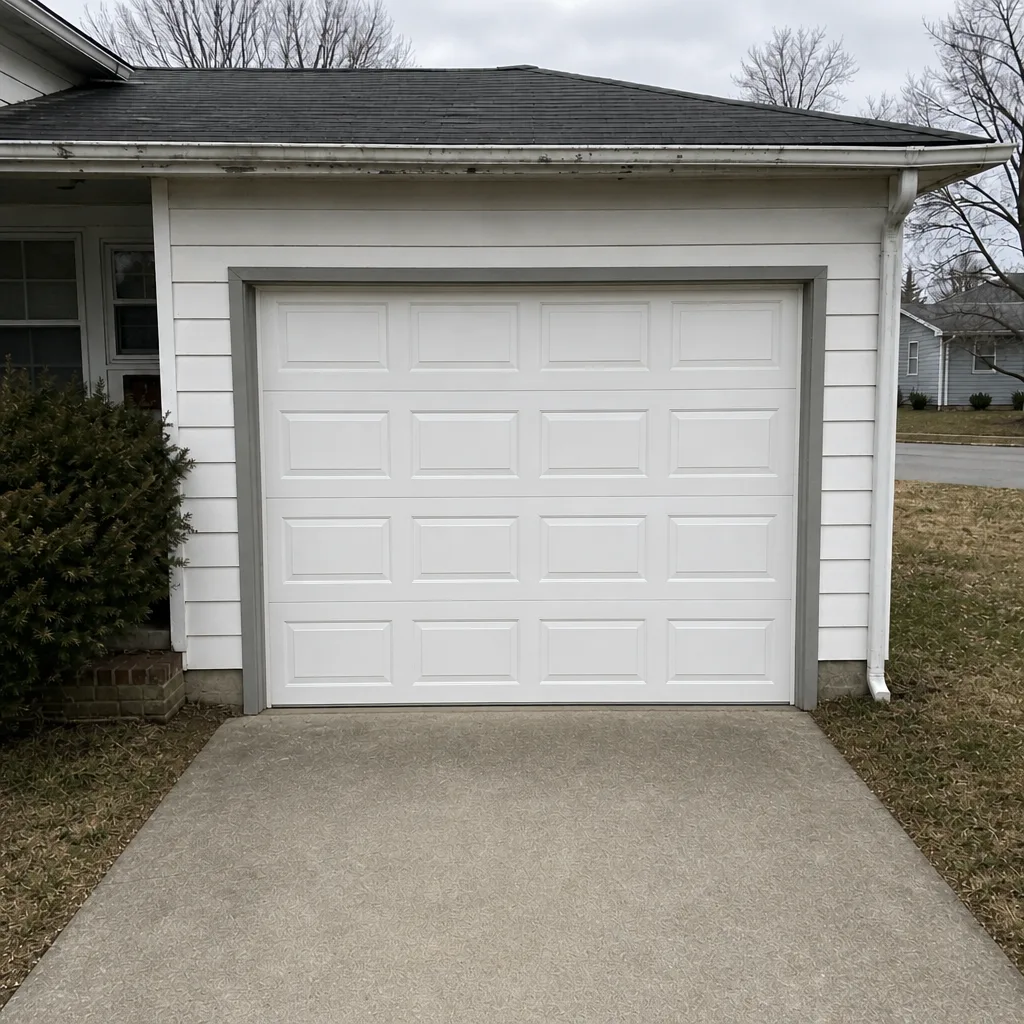 After