
Last updated November 22, 2026
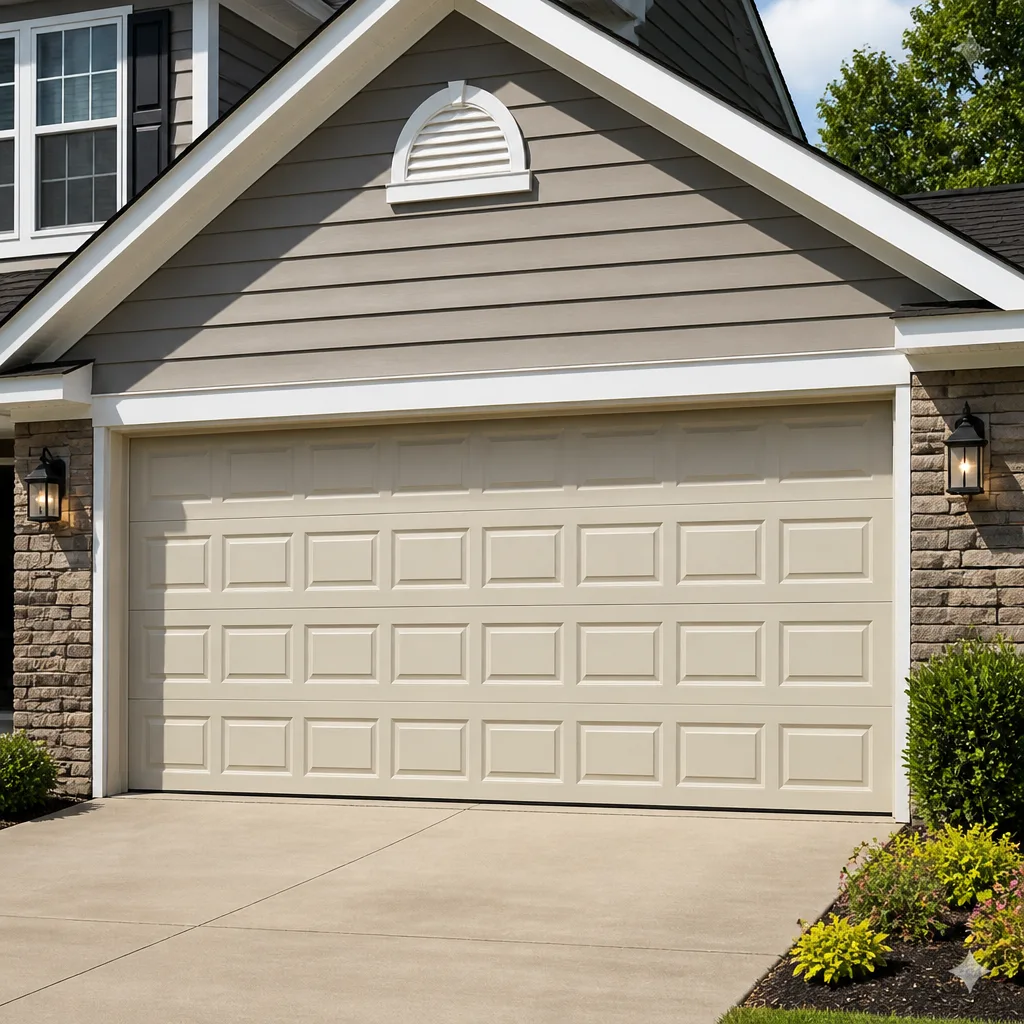 Raised-panel steel
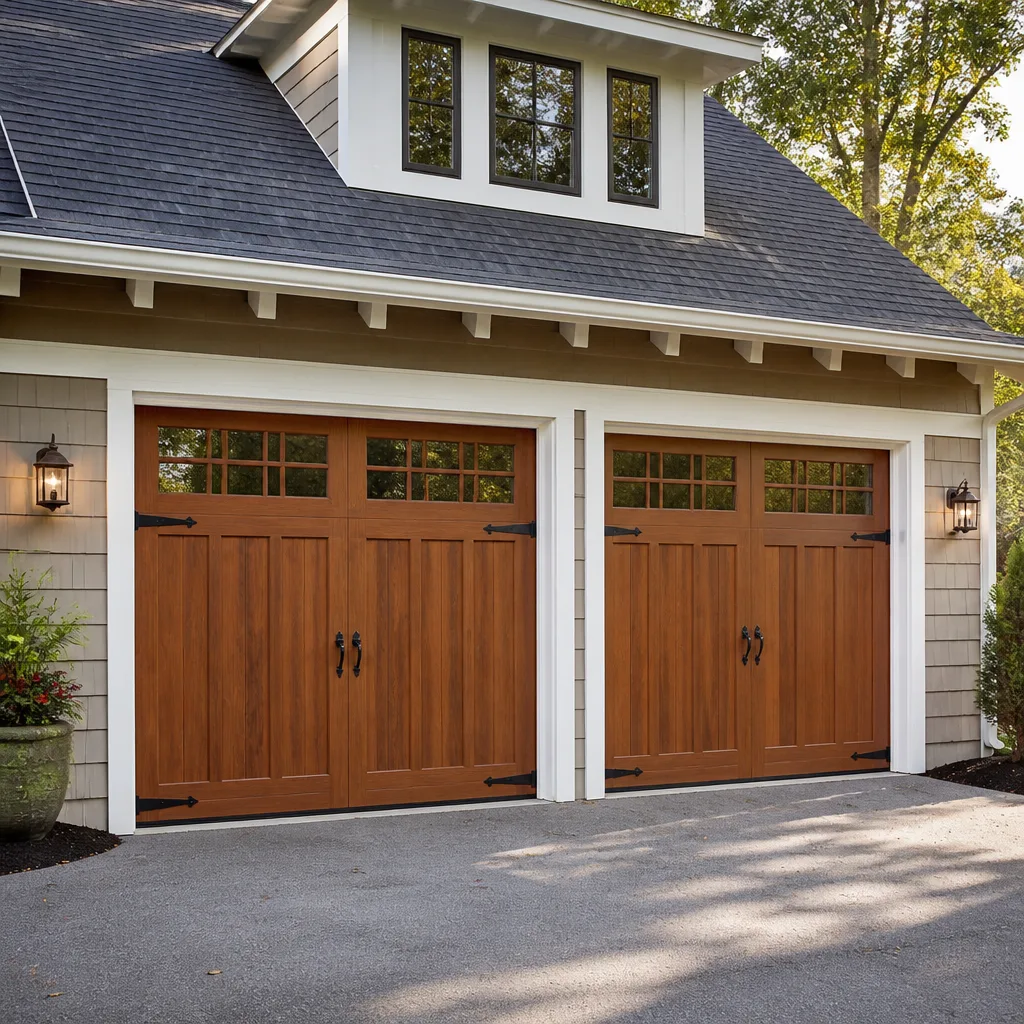 Carriage house
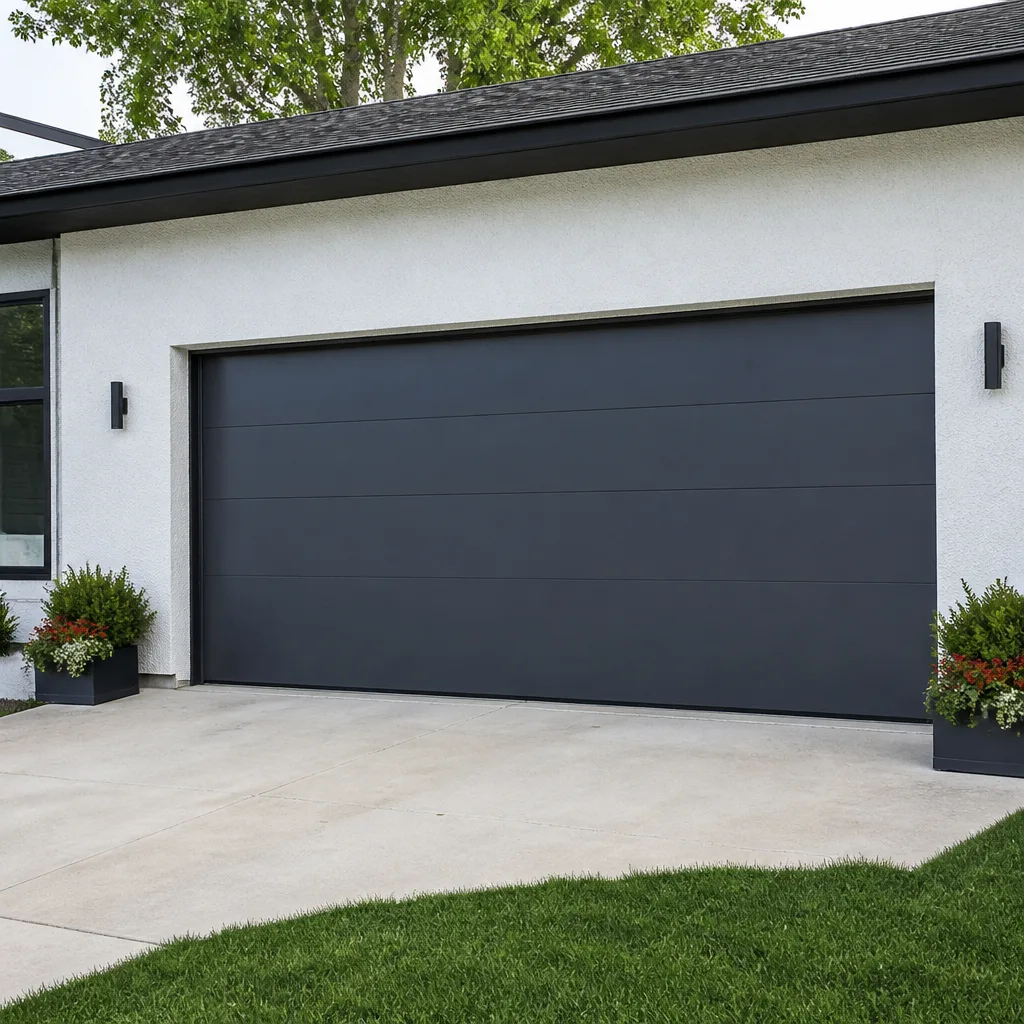 Modern flush
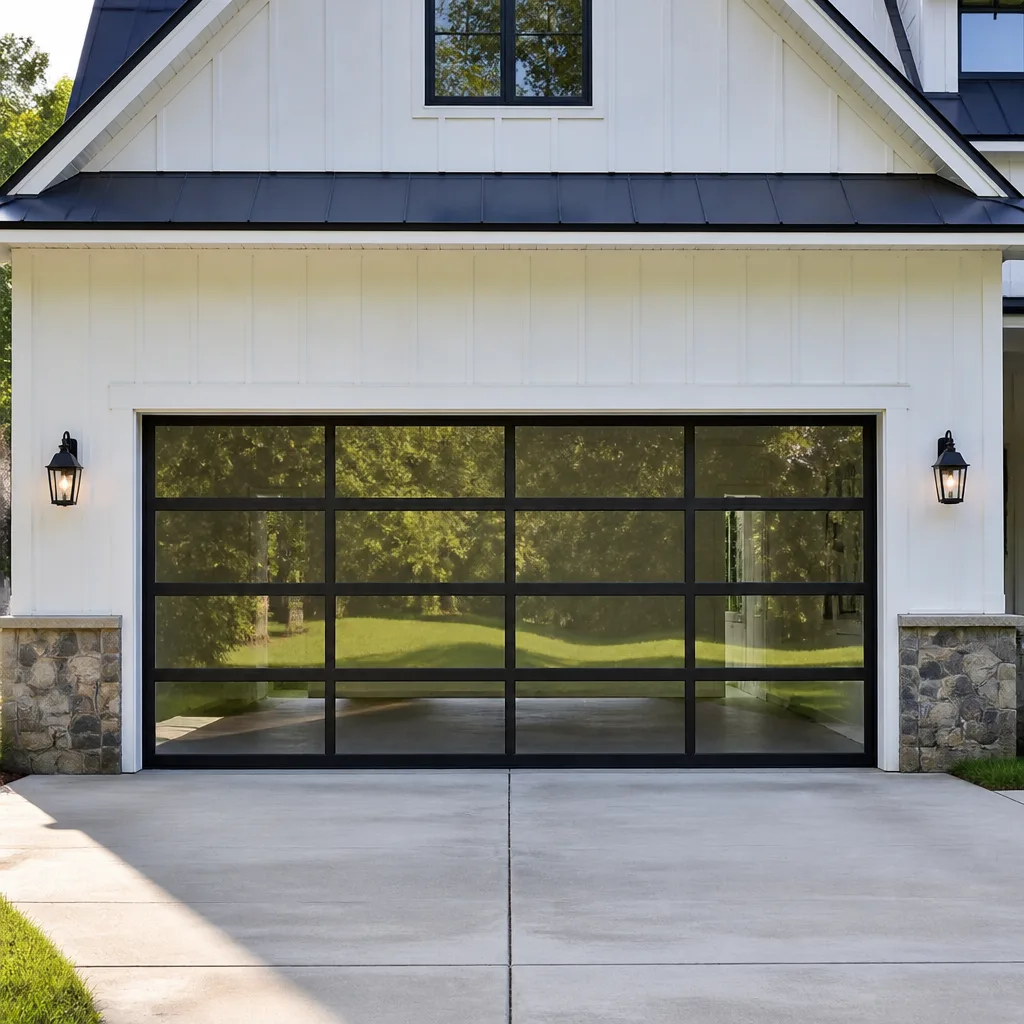 Full-view glass
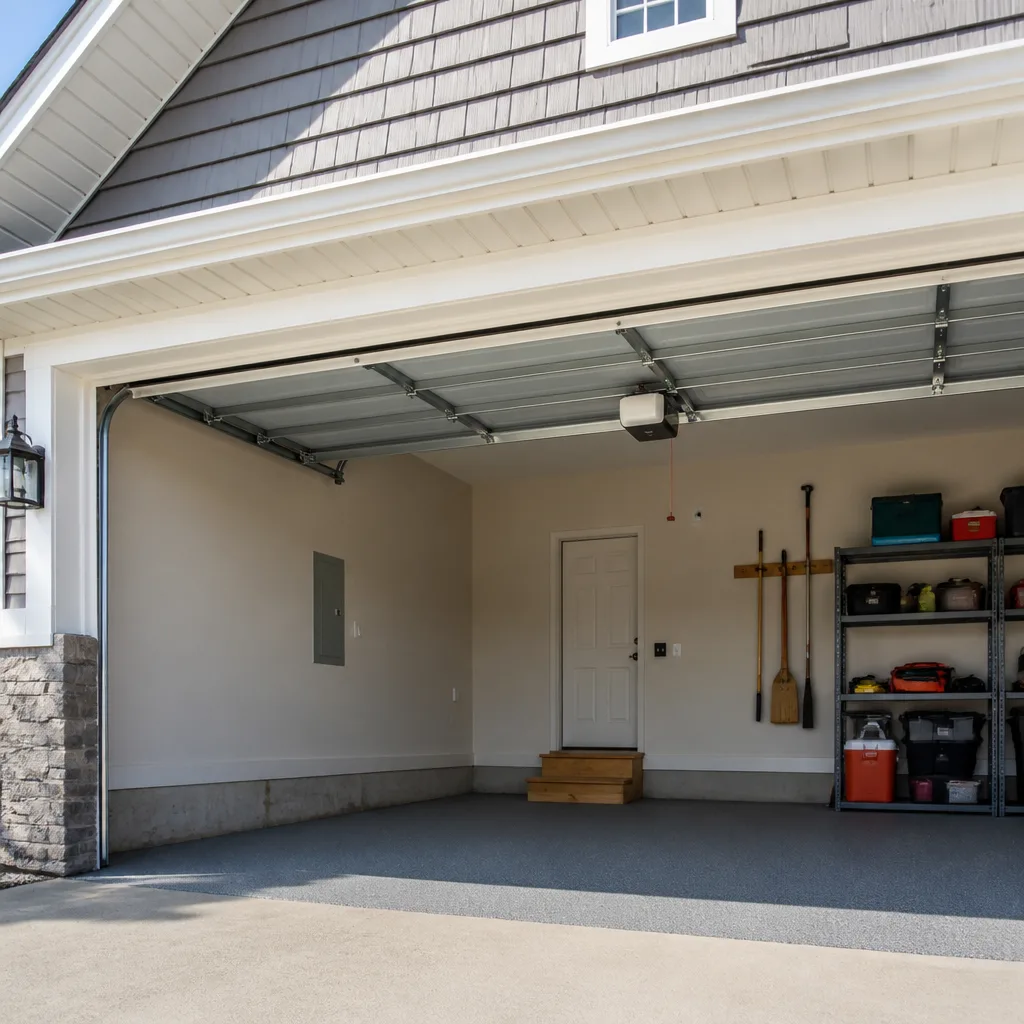 LiftMaster openers
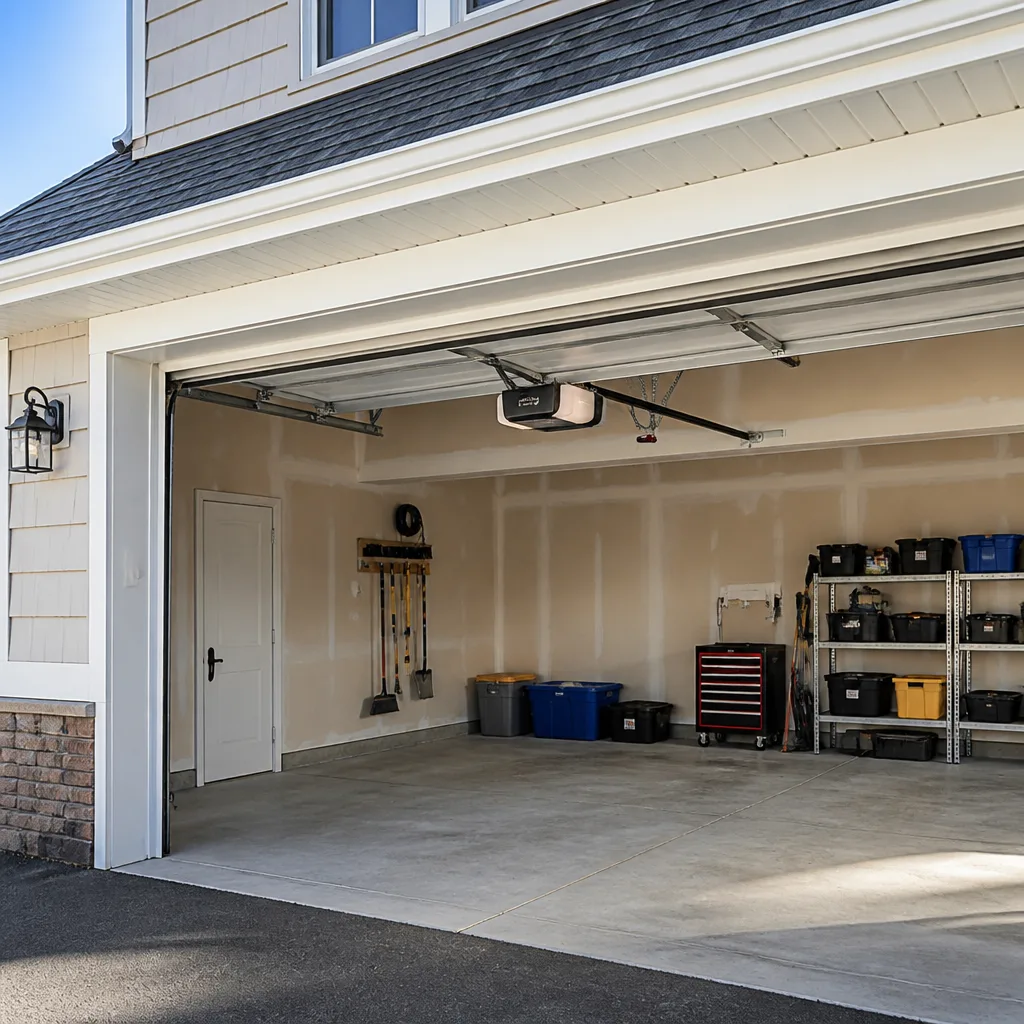 Chamberlain openers
Full 25-point door and opener safety check with every visit - springs, cables, rollers, tracks, and your LiftMaster or Chamberlain opener included
You get a price before we start. It does not change when the pro arrives.
Get your free estimateThe Complete Guide to Garage Doors in Suffolk
Most garage door guides are written for Phoenix or Denver, and it shows. Suffolk, VA sits about 30 miles from the Chesapeake Bay, and the humidity that comes with that geography quietly eliminates half the “standard” recommendations you’ll read online. A door that performs fine in a dry climate can swell, bind, and corrode here within a few seasons. This guide treats Suffolk as its own operating environment. You’ll learn how the local climate shapes material choice, which door types actually hold up across Hampton Roads, how opener electronics cope with humid air, where city code and county rules split, and what real Suffolk cost ranges look like. We’re a garage door specialty company, and this is what we walk homeowners through every week.
Quick Answer
Choosing, repairing, or replacing a garage door in Suffolk comes down to three things: picking materials that tolerate humidity (galvanized steel and aluminum hold up well, wood needs extra care), matching your opener to a humid, storm-prone climate with features like battery backup, and understanding whether your property falls under Suffolk city limits or unincorporated Isle of Wight County for permitting. Typical repairs run from around $150 to $600 depending on the failure, while a full replacement door and install generally lands between $1,100 and $4,500. The written estimate you get before work starts is the final price.
Styles & brands we work with
- Raised-panel steel
- Carriage house
- Modern flush
- Full-view glass
- LiftMaster openers
- Chamberlain openers
Table of Contents
- Why Suffolk’s Climate Changes Everything
- Steel vs. Aluminum vs. Wood in Hampton Roads
- Which Door Types Hold Up Here
- Springs: The Most Dangerous Part of the Door
- Opener Features That Matter in This Climate
- Suffolk City Limits vs. Isle of Wight County
- What Garage Doors Cost in Suffolk
- The Seasonal Maintenance Routine That Actually Works
Why Suffolk’s Climate Changes Everything
Suffolk sits in a humid subtropical pocket of Virginia, and that single fact reshapes nearly every garage door decision you’ll make. The atmosphere here carries a lot of moisture for much of the year, and a garage is not a conditioned room. It’s a semi-exposed metal-and-wood box that breathes in that moisture with every temperature swing. Doors that were designed and marketed for dry climates simply weren’t engineered around that reality.
What goes wrong, specifically? Three things dominate what we see in Suffolk homes:
- Track swelling and misalignment. On wood or composite door assemblies and wooden frames, absorbed moisture causes the material to expand. A track that was perfectly true in October can bow slightly by late summer, and a door that rubs its track wears its rollers fast.
- Corrosion on mild-steel hardware. Hinges, brackets, and roller stems that use standard coatings start to show surface rust in humid air. Galvanized steel and aluminum resist this far better than bare or lightly primed mild steel.
- Electronics that fail early. Humid air finds its way into opener housings and circuit boards. Older openers with unsealed boards often develop logic faults long before their mechanical parts wear out.
There’s also the storm side of Hampton Roads weather. Suffolk sees strong seasonal storms and the occasional hurricane-season event, and a sectional door’s wind rating and panel anchoring matter here in a way they don’t in calmer inland markets. If you’re choosing a new door, ask about wind-load rating, not just panel style. At Suffolk Garage Door Repair Pros, our technicians have up to 9 years of experience reading these climate effects on doors across Suffolk, and it’s why our recommendations skew toward materials that tolerate moisture rather than fight it.
Steel vs. Aluminum vs. Wood in Hampton Roads
Material choice is the highest-leverage decision you’ll make, and it deserves more thought than the color swatch. Each material behaves differently under Suffolk’s humidity, and the difference shows up in years, not weeks. Here’s how the main options compare.
- Galvanized steel. The workhorse of residential doors. Galvanized coating handles humid air well, and steel panels can carry strong insulation values. The catch is weight: an insulated steel door is heavy, so spring and opener sizing becomes critical. A well-sealed galvanized steel door typically serves a Suffolk home for well over a decade with light maintenance.
- Aluminum. Lighter than steel and naturally rust-resistant, which makes it a favorite for humid climates. The tradeoff is dent resistance. Aluminum panels and frames resist corrosion beautifully but can dent when struck. It’s a strong pick for homes with a clean daily routine and no tall vehicles clipping the header.
- Wood and wood composites. The most demanding choice here. Natural wood needs consistent sealing and repainting to survive the moisture cycling, and if it’s neglected in Suffolk, swelling and warping can force premature replacement within about five years. Modern steel-backed composite doors give you the wood look with less swelling.
- Fiberglass and vinyl. Good moisture resistance on the surface, but hardware and structural components still need attention, and wind performance varies widely by model.
In our experience, galvanized steel and aluminum do the heavy lifting for most Suffolk homes, while wood and composite need the most vigilance. Brands like Clopay and Amarr build solid residential options across these material categories, and we install and repair both. What matters more than brand name is how the door is sealed, anchored, and ventilated in your particular garage. A door that traps moisture between panels will fail faster than a cheaper door in a well-ventilated garage.
Which Door Types Hold Up Here
Door style gets all the curb-appeal attention, but style and durability don’t always travel together. In a humid, storm-influenced climate, the mechanics matter more than the architecture. Here’s how the main types tend to perform in and around Suffolk.
- Sectional doors. The most common type, and for good reason. Panels ride on rollers and tracks, and horizontal seams let the door handle wind load well. Insulated sectional doors resist both heat gain and moisture, and they handle strong Hampton Roads storm cycles better than many single-panel designs. When they fail, it’s usually springs, rollers, or off-track issues, all repairable.
- Roll-up doors. Compact and tough on moisture, often used on shops and detached garages. They offer less insulation than a good sectional door, so they’re a practical choice rather than a warm one.
- Carriage-house and tilt-up styles. Beautiful, but the large single panels mean more wind sail area and heavier springs. If you choose one, insist on proper wind-rated anchoring and correctly sized springs.
- Wood and custom doors. The highest maintenance ceiling in Suffolk. They can work beautifully if the finish is maintained, but plan on a regular sealing schedule or the moisture will win.
The climate test you can do yourself: does this door type schedule periodic pest and moisture inspection without me committing to a full refinishing schedule? For most Suffolk homeowners, an insulated sectional door in galvanized steel or aluminum is the balance point between look, wind resistance, and low moisture maintenance. If you already own a door type that’s losing the battle, garage door repair is often the smarter first stop than replacement, since tracking, hardware, and panel damage can frequently be corrected.
Springs: The Most Dangerous Part of the Door
We’ll say it plainly: springs are the most dangerous part of any garage door, and this is one component where we actively discourage homeowner repair. A torsion spring under load stores enough energy to cause serious injury if it releases unexpectedly, and extension springs carry similar risk. This is a trained-technician job, full stop.
Dedicated garage door spring repair is one of our core services because it’s a specialty inside a specialty. Here’s what to know as a Suffolk homeowner:
- What springs do. They counterbalance the door’s weight so the opener only has to guide it, not lift it. When a spring reaches the end of its cycle life, the door suddenly feels impossibly heavy or won’t lift at all.
- Torsion vs. extension. Torsion springs mount on a shaft above the door and are the standard on most modern sectional doors. Extension springs stretch along the tracks. Each has its own failure mode and repair approach.
- What you can safely check. Its sound (a sharp snap often means a torsion spring failed), the door’s balance (lifts by hand with resistance, won’t stay put), and whether the door opens at all. What you should not do is attempt to adjust, unwind, or replace a spring.
- Matched pairs. When one spring in a matched pair fails, the other has usually lived a similar life cycle, so replacing both together is often the practical move. Spring pricing ranges cover a single spring; a matched pair costs about twice a single-spring range, and our team walks you through the sizing before any work begins.
If a spring has snapped and the door is stuck, don’t force it with the opener. Leave it down and call us. Springs are mechanical, and in Suffolk’s humidity the metal hardware around them benefits from an occasional dry-cloth wipe, but that’s the extent of what a homeowner should touch.
Opener Features That Matter in This Climate
Homeowners often pick an opener by app features and remote brand loyalty, then wind up replacing it early. In Suffolk, a few climate-specific features matter more than the phone app. A garage opener in a humid garage is an electronic device living in a damp room, so sealing and power resilience count.
- Battery backup. This is the single most useful feature in a storm-prone region. When the grid drops during a Hampton Roads weather event, battery backup lets you open the door and get the car out without hand-pulling the release, which is exactly the moment you least want to be wrestling a heavy door.
- Sealed or conformal-coated circuit boards. Modern Chamberlain and Genie units with better-sealed electronics tolerate humid air longer than older unsealed boards. It’s a quiet durability advantage over legacy openers.
- Horsepower and spring balance. A humid, heavy door plus an undersized opener equals burned-out gears. A door that’s properly balanced lets a modest opener last. If your opener strains and cycles erratically, the door, not the opener, is often the real problem.
- Safety sensors. Non-negotiable. Humid conditions fog or dirty the lenses and cause phantom reversals. Keep them clean and aligned.
- Smart-home integration. Convenience and diagnostics, especially for models in the myQ ecosystem. Useful, but not a substitute for the fundamentals.
We repair openers across both modern smart systems and older legacy models, so you don’t need to replace a working unit to get better reliability. If your opener is the failing link, garage door opener repair covers the diagnostics and fixes, from logic boards to sensors to drive gears.
Suffolk City Limits vs. Isle of Wight County
Permitting for a garage door replacement is one of the most misunderstand details in this market. Suffolk’s city boundaries are unusual, with large parcels that border or sit adjacent to unincorporated Isle of Wight County, and the authority having jurisdiction depends on exactly where the property falls. We won’t pretend to quote a code section here, because those details change and the correct source is always the local office. What we can tell you is the shape of the issue.
- Inside Suffolk city limits. Structural changes and full door replacements generally require a permit. The city’s building department is the authority, and a quick call to confirm requirements on your specific address is worth the five minutes.
- Unincorporated Isle of Wight County parcels. Properties that feel like Suffolk but sit outside the city line may be under county authority, which can follow different permit and inspection steps. This is where confusing mail addresses trip people up.
- What usually triggers a permit. A structural opening change, a new header, a full door replacement that alters the assembly, and sometimes powered opener changes tied to electrical work. Simple part swaps like rollers or sensor alignment are typically not permitted work.
The practical habit: before any replacement, confirm your jurisdiction and ask the building department whether a permit applies. If you’re unsure, we can help you sort out which office to call. The last thing anyone wants is a completed installation that gets flagged later. The right sequence is confirm, then install, not the reverse.
What Garage Doors Cost in Suffolk
National average pricing is nearly useless here. Suffolk labor rates, material sourcing across Hampton Roads, and the extra labor humid-climate work can require all nudge the numbers. Below are the ranges our team typically works within for common jobs. These are estimates, not quotes, and the written estimate you receive before any work starts sets the final price.
- Spring repair (single spring): $150 to $340 typical.
- Spring pair replacement: roughly double a single-spring range, since both springs are usually replaced together.
- Opener repair (sensors, gears, logic board): $120 to $400.
- Full opener replacement: $350 to $750 depending on drive type and features.
- Off-track door correction: $150 to $450.
- Roller, hinge, and hardware refresh: $100 to $300.
- New door installation (standard insulated steel): $1,100 to $2,500.
- Premium or larger installation: $2,500 to $4,500.
Two things drive the high end of any range: door weight and door type. An insulated, wind-rated sectional door costs more to install than a basic panel door because it’s heavier and needs proper anchoring. The word “estimate” is real here. When we quote a job, the price you agree to before work starts is the number you pay, and if the door reveals something unexpected during the job, we discuss it with you before proceeding, not after the invoice. Repairs and emergency needs are where same-day scheduling can help; a new door installation is measured and scheduled, which is why you’ll want that free measure and written price early.
The Seasonal Maintenance Routine That Actually Works
Most maintenance advice is written for a dry climate and tells you to wait for spring. In Suffolk, the routine should follow the moisture cycle, not the calendar. A little attention at the right times stretches every component. Here’s a practical routine.
- Lubricate the moving metal. Rollers, hinges, and the spring shaft get a dry silicone-based lubricant. Do this twice a year, and once more after long humid stretches. Avoid heavy grease, which traps grit.
- Wipe down and inspect hardware. A dry cloth across brackets and hinges removes surface moisture and lets you spot early corrosion before it spreads. Galvanized and aluminum parts are forgiving, but they aren’t immune.
- Test the balance and the auto-reverse. Lift the door by hand halfway; it should hold without help. Put an object in the door’s path; it should reverse. If it fails either test, that’s a professional look.
- Clean the tracks and sensors. Wipe dust and grit from the track channels and clean the photo-eye lenses. Dirty sensors cause most phantom door reversals.
- Check weather seals and panel alignment. Worn bottom seals let moisture in; misaligned panels let wind. Replace seals before they fail, not after.
- Inspect after storms. After a strong Hampton Roads weather event, check panels, anchors, and track alignment. Wind stress shows up as a door that suddenly rubs.
One scheduling note that helps some homeowners: we’re closed on Saturday, but we’re open Sunday through Friday. If your door fails on a Saturday and creates an access or security problem, call us, and we’ll book it into the next opening on Sunday. And for anything spring or track related, don’t wait for it to fail. Small alignment issues fixed early are far cheaper than a full panel or spring job later.
Common Mistakes to Avoid
- Buying a door designed for a dry climate. A door promoted for desert installs will underperform under Suffolk’s humidity. Check the manufacturer’s climate and moisture guidance, not just style.
- Leaving wood and composite doors unsealed. Moisture cycling is what kills wood doors here. A refinishing schedule is not optional in this climate, and skipping it can push replacement many years earlier than necessary.
- Replacing an opener when the door is the problem. A door that’s out of balance or binding strains any opener. Diagnose the door before you spend on electronics.
- Attempting spring work yourself. This is the biggest and most dangerous mistake. Springs store serious energy; adjustment and replacement belong with trained technicians.
- Skipping the permit check. A Suffolk city parcel and an unincorporated Isle of Wight County parcel may follow different permitting routes. Confirm before you install, and confirm which office applies.
- Assuming this morning’s quote is Monday’s price. Not a gotcha here: we work per-job, estimate free, and agree the price before work begins. Just don’t rely on a verbal range as your final number.
- Ignoring the battery backup until storm season. When the grid drops, a battery-backup opener is the difference between a normal drive out and a heavy door fight. Consider it a climate upgrade, not a luxury.
See the difference
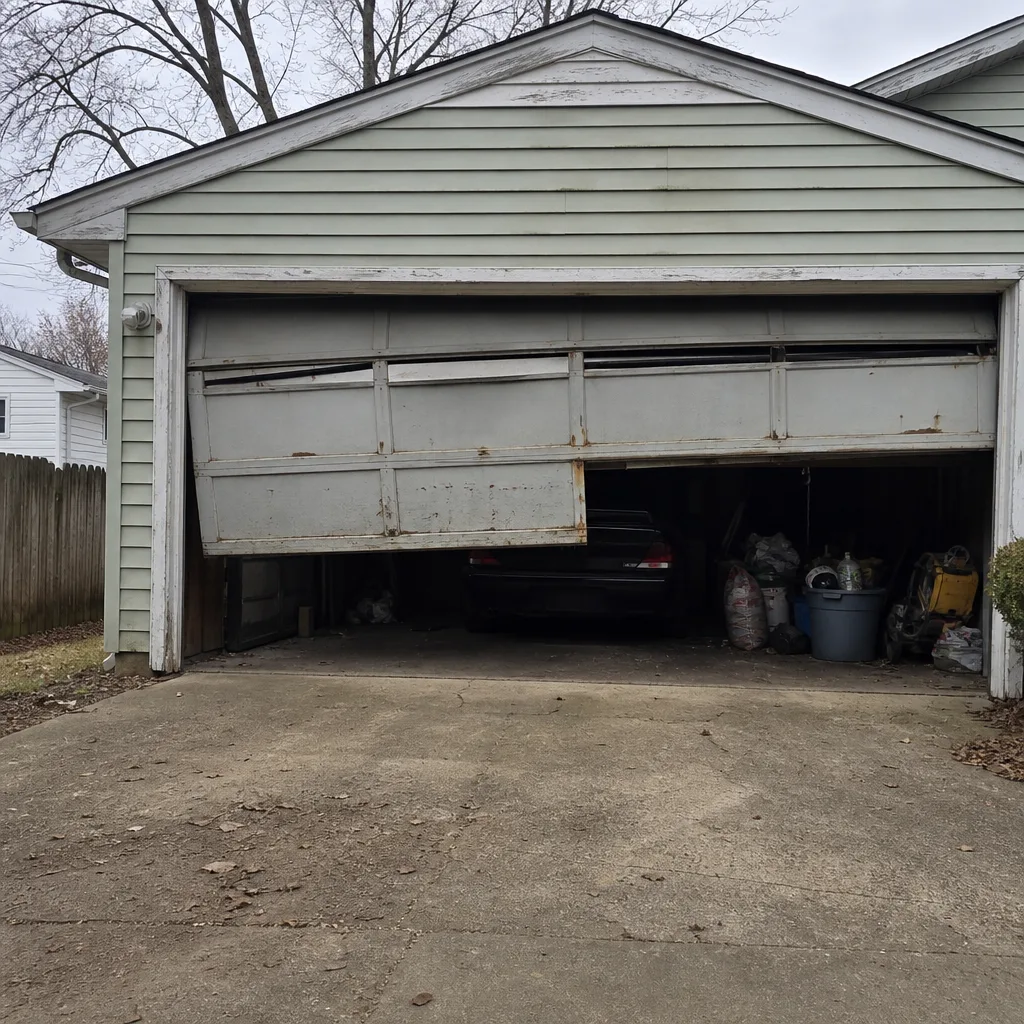 Before
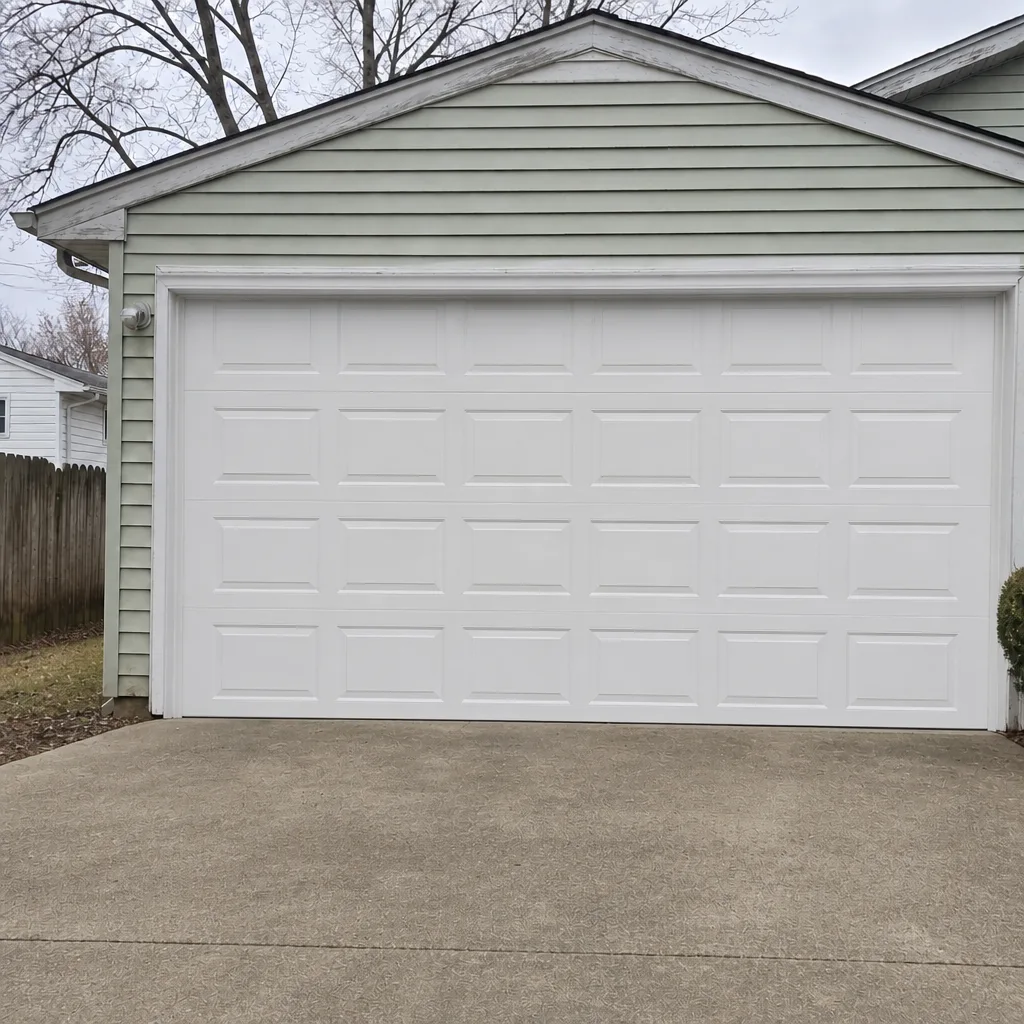 After
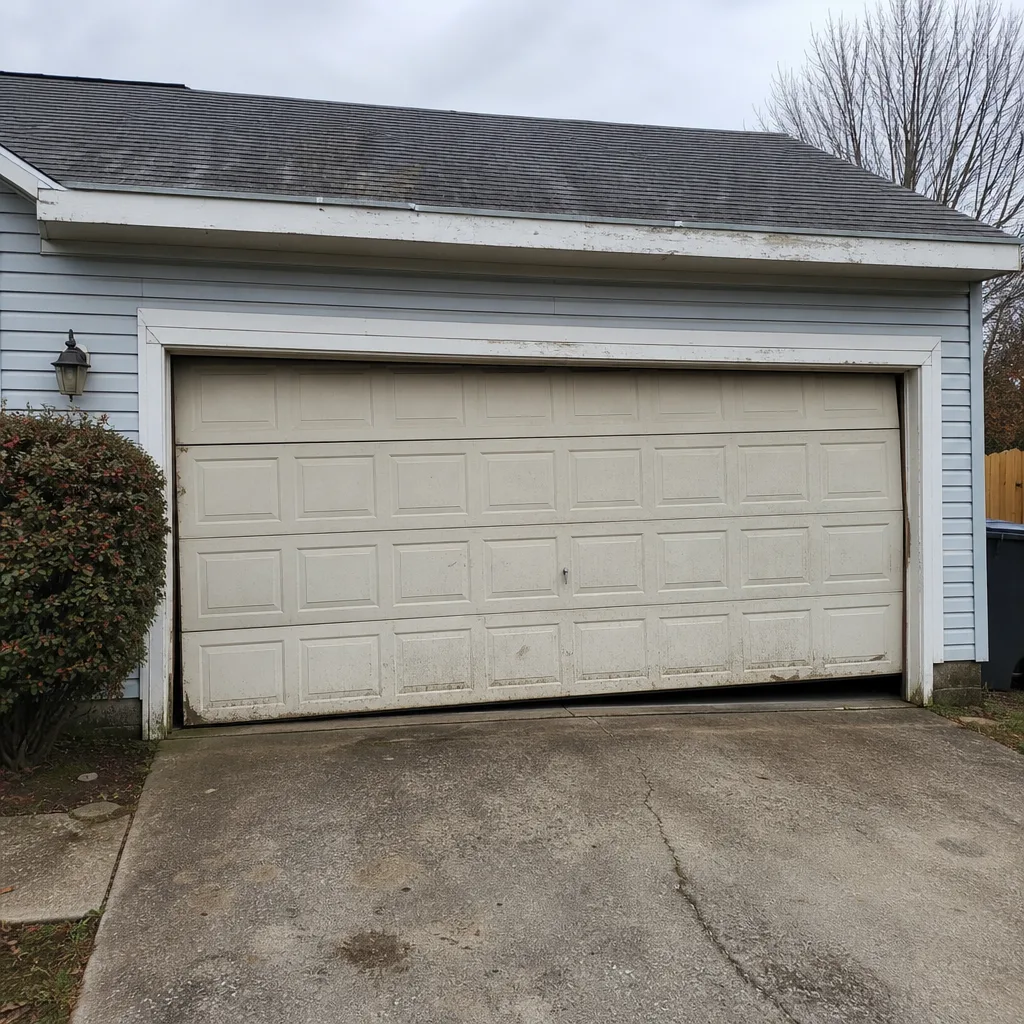 Before
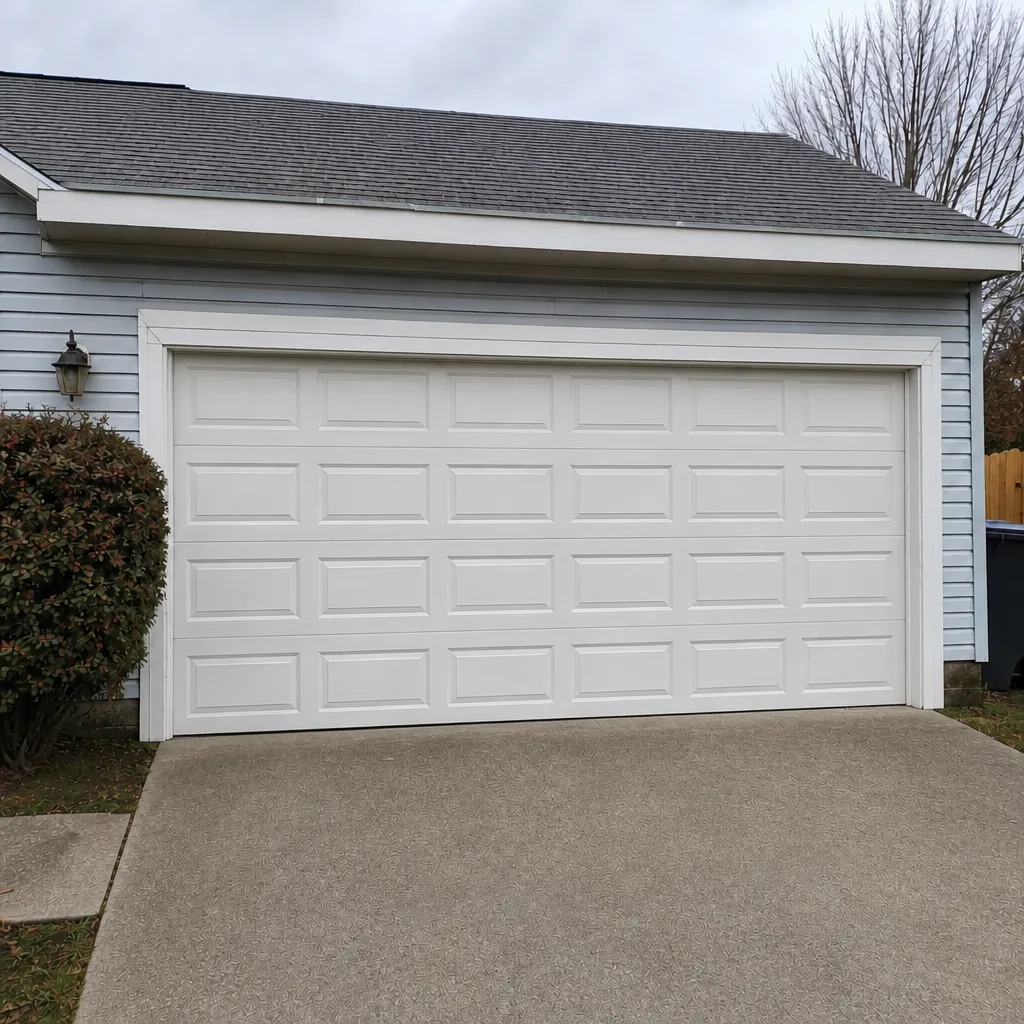 After
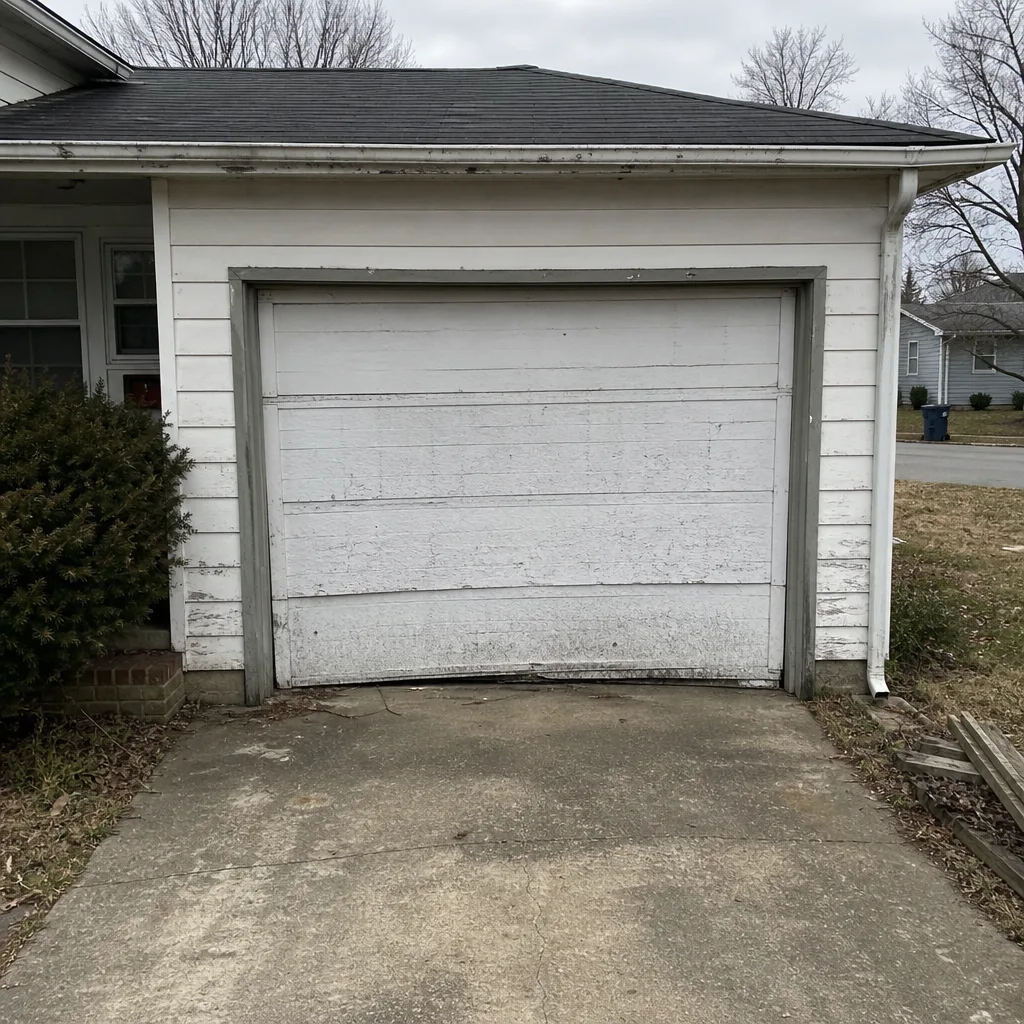 Before
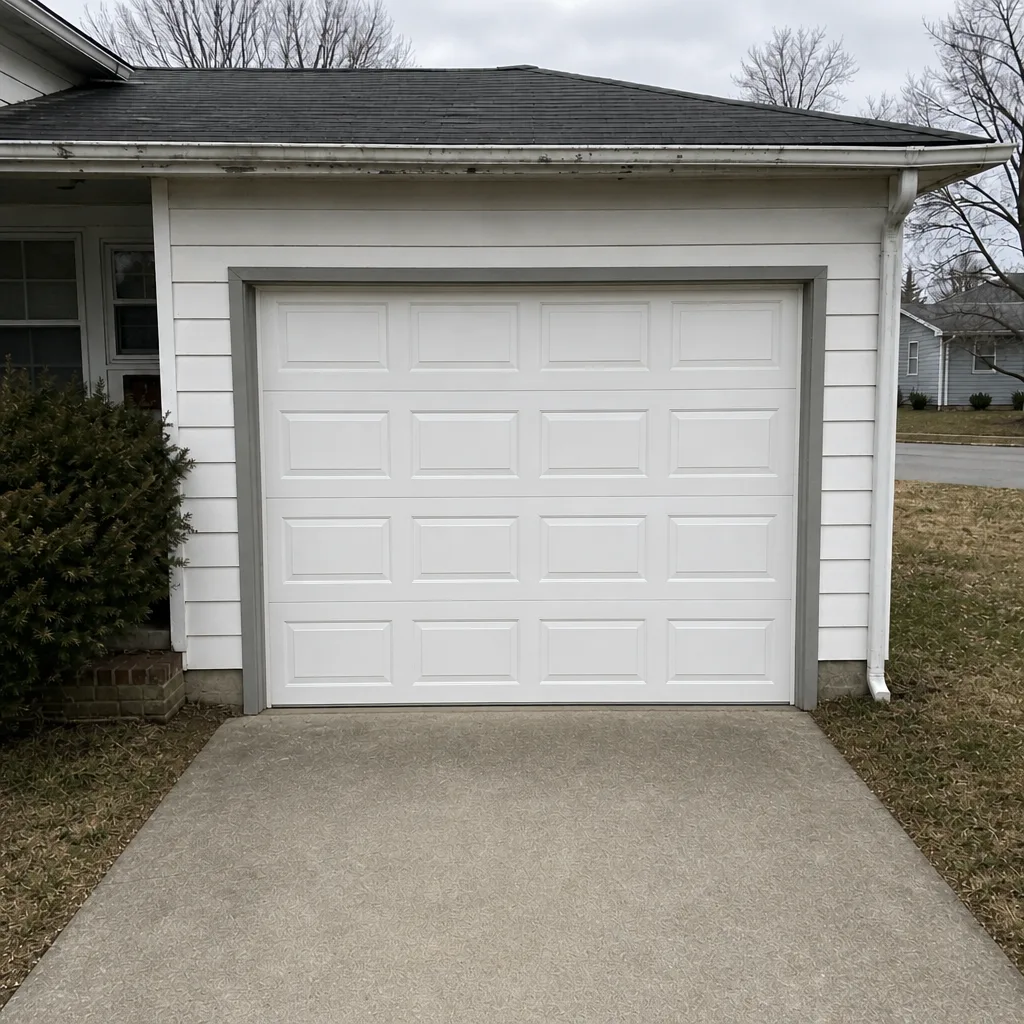 After
When to Call a Professional
Some garage door issues are a DIY cleanup; most aren’t. Call a professional when a spring breaks or feels slack, when the door comes off its tracks or hangs crooked, when an opener strains, reverses unpredictably, or won’t respond, when the door won’t close and your home’s security is exposed, or when panels and anchoring show storm damage. Call immediately if you hear a sharp snap from the spring area or the door won’t open at all. Suffolk Garage Door Repair Pros offers free estimates in Suffolk. Call (855) 894-0378. We answer 24/7, and fast dispatch from 7am to 7pm, Sunday through Friday, gets a technician moving. We work with the brand of door and opener you already own, from same-day spring and opener fixes to a measured, scheduled new door installation.
Frequently Asked Questions
Typical Suffolk garage door repairs run from about $120 for a simple sensor fix to $400 for more involved opener work, with spring repair around $150 to $340 for a single spring. The written estimate you approve before any work starts sets the exact final price. Call (855) 894-0378 for an exact quote; estimates are free.
Yes, for repairs and urgent failures we can often schedule same-day. Call (855) 894-0378. We answer 24/7, with fast dispatch from 7am to 7pm, Sunday through Friday, and we’re closed Saturday. A call outside dispatch hours is booked into the next opening.
No. We quote per job, agree the price with you in writing before work begins, and the written estimate stands as the final price. If the door reveals something unexpected during the job, we discuss it with you before we move forward, never after.
We connect you with independent local professionals who are licensed and insured as the state of Virginia requires. We’re a garage door specialty company, not a generalist handyman service, so the pro arriving specializes in doors and openers. Call (855) 894-0378 to get started.
Often yes, especially for structural changes and full door replacements, and the answer can differ between Suffolk city limits and unincorporated Isle of Wight County parcels. The reliable step is to confirm your jurisdiction and ask the city or county building department directly before installing.
Humidity is the main culprit. Moisture swelling, faster rust on mild-steel hardware, and humidity-related opener electronics fail earlier here than in dry climates. Higher humidity and repeated storm cycles strain springs, tracks, and seals. Choosing galvanized steel or aluminum and keeping up the maintenance routine offsets most of it.
The Bottom Line
Suffolk is not a generic garage door market. The humidity and Hampton Roads weather make material choice and opener electronics the two decisions that matter most, and the city versus Isle of Wight County permitting split is a step worth confirming before any replacement. Repair costs generally land in the $100 to $600 range for most jobs, and a full installation typically runs $1,100 to $4,500, with a written estimate setting the final number. Springs are the one job where you call a pro without hesitation. Beyond that, if you maintain the hardware, seal the wood, and keep the door balanced, your garage door will hold up well here. When you need a repair, an opener fix, spring work, or a new installation, call (855) 894-0378. We answer 24/7 with fast dispatch from 7am to 7pm, Sunday through Friday. Estimates are free, and the price is agreed before work starts.
Written by the team at Suffolk Garage Door Repair Pros.