
Last updated November 22, 2026
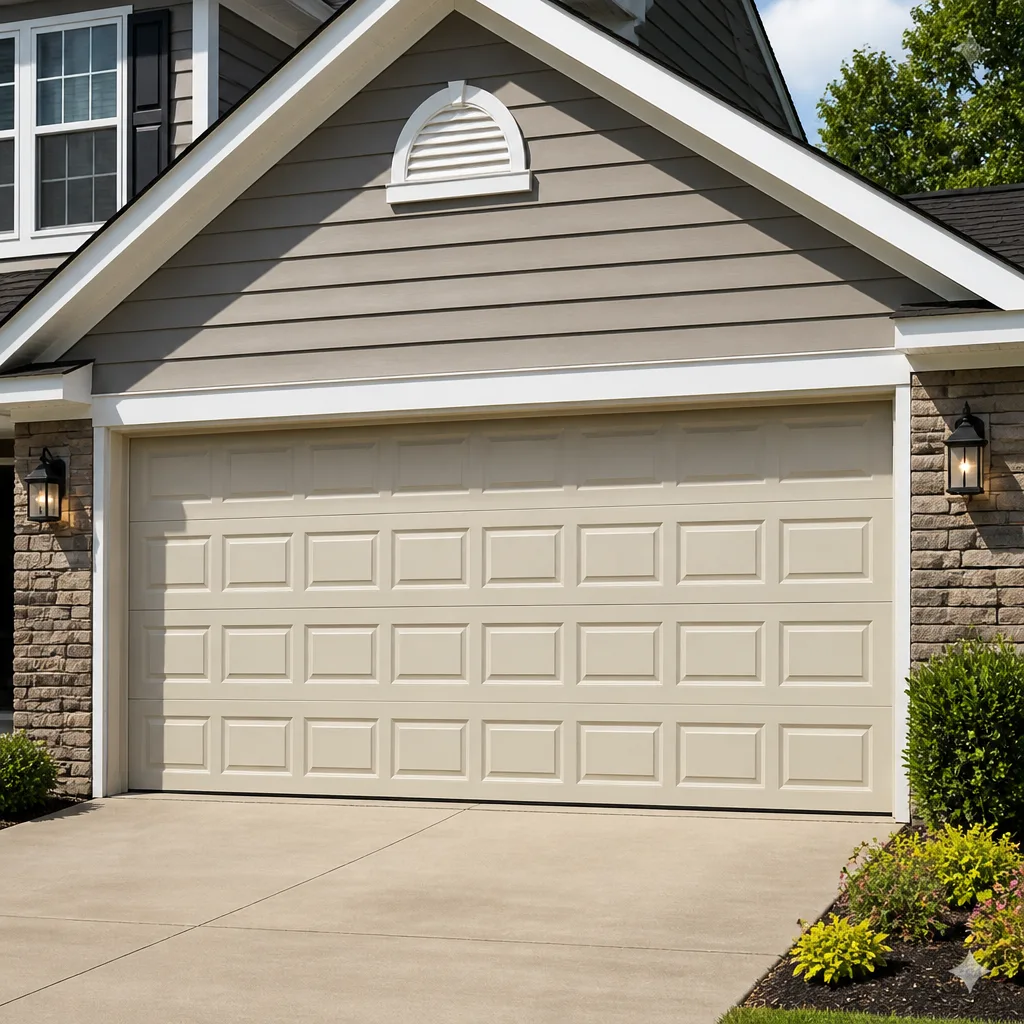 Raised-panel steel
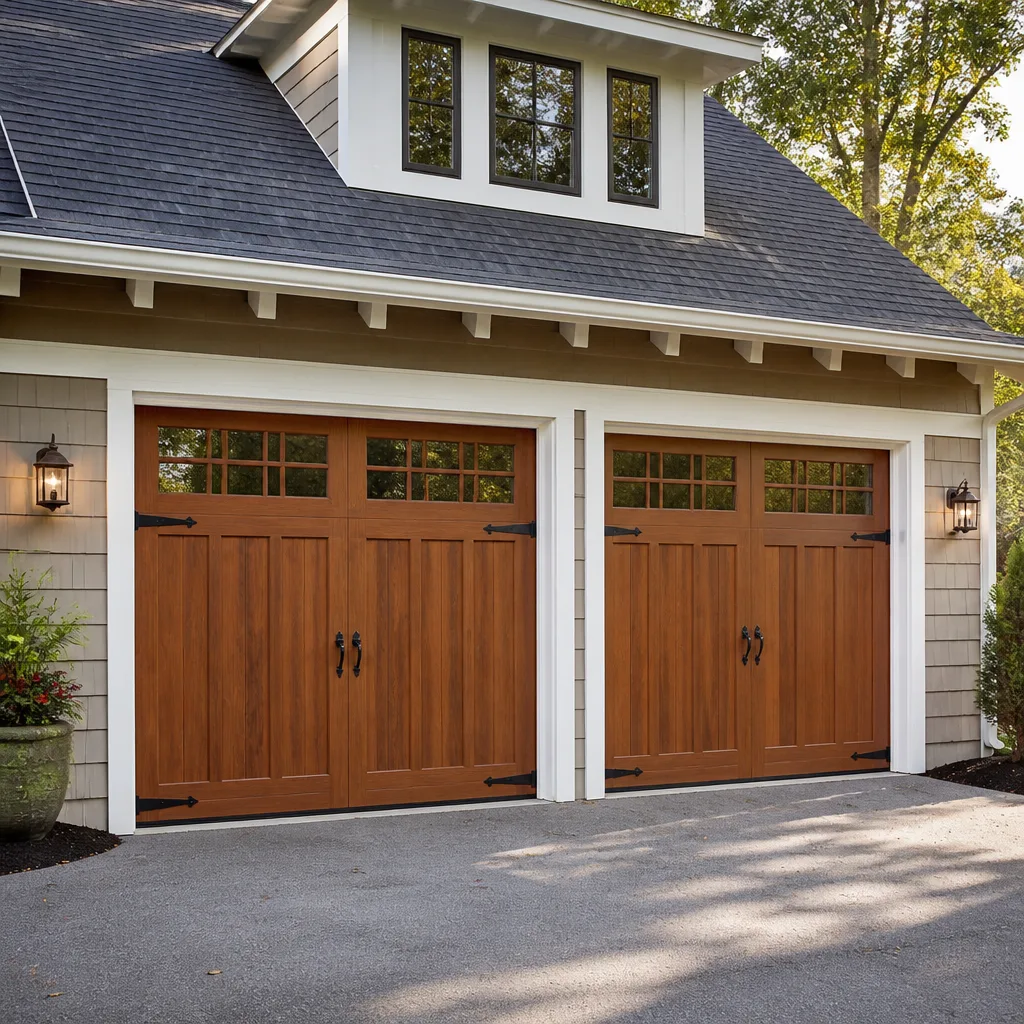 Carriage house
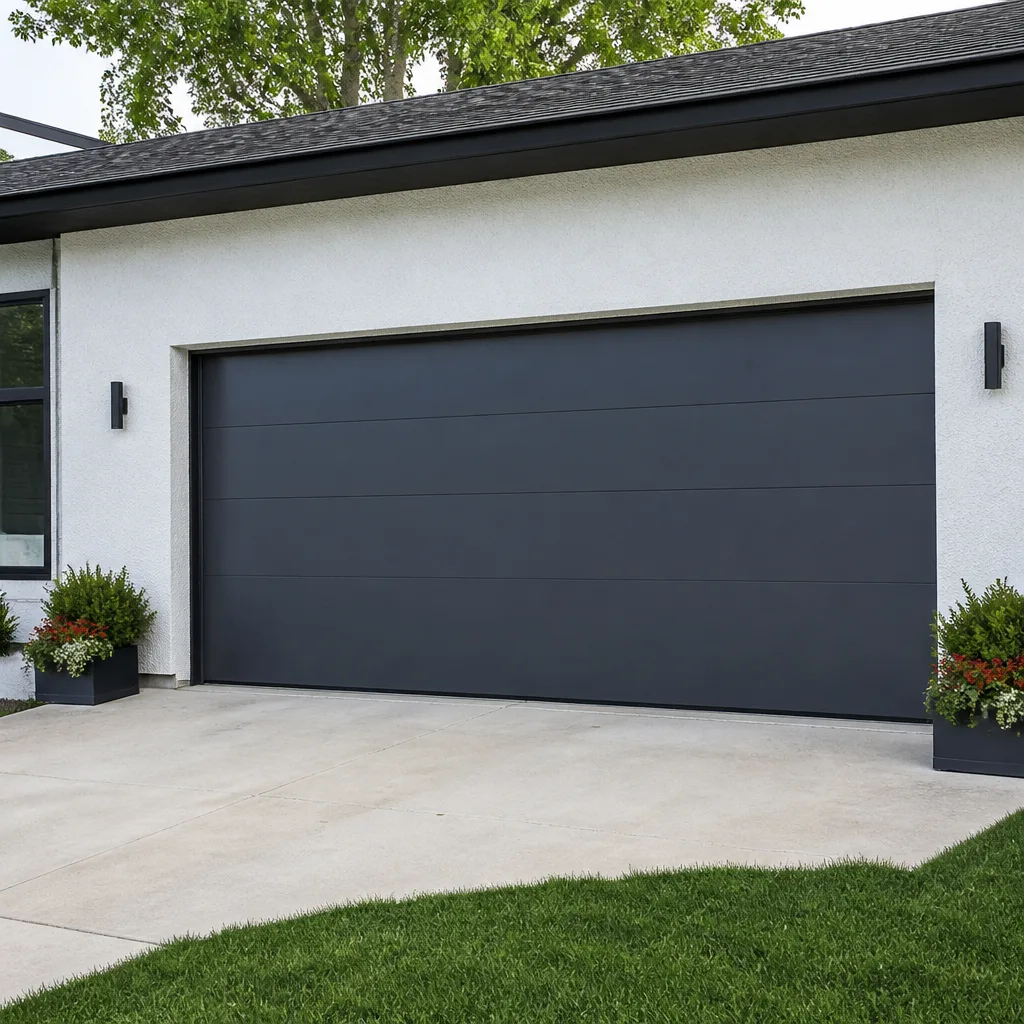 Modern flush
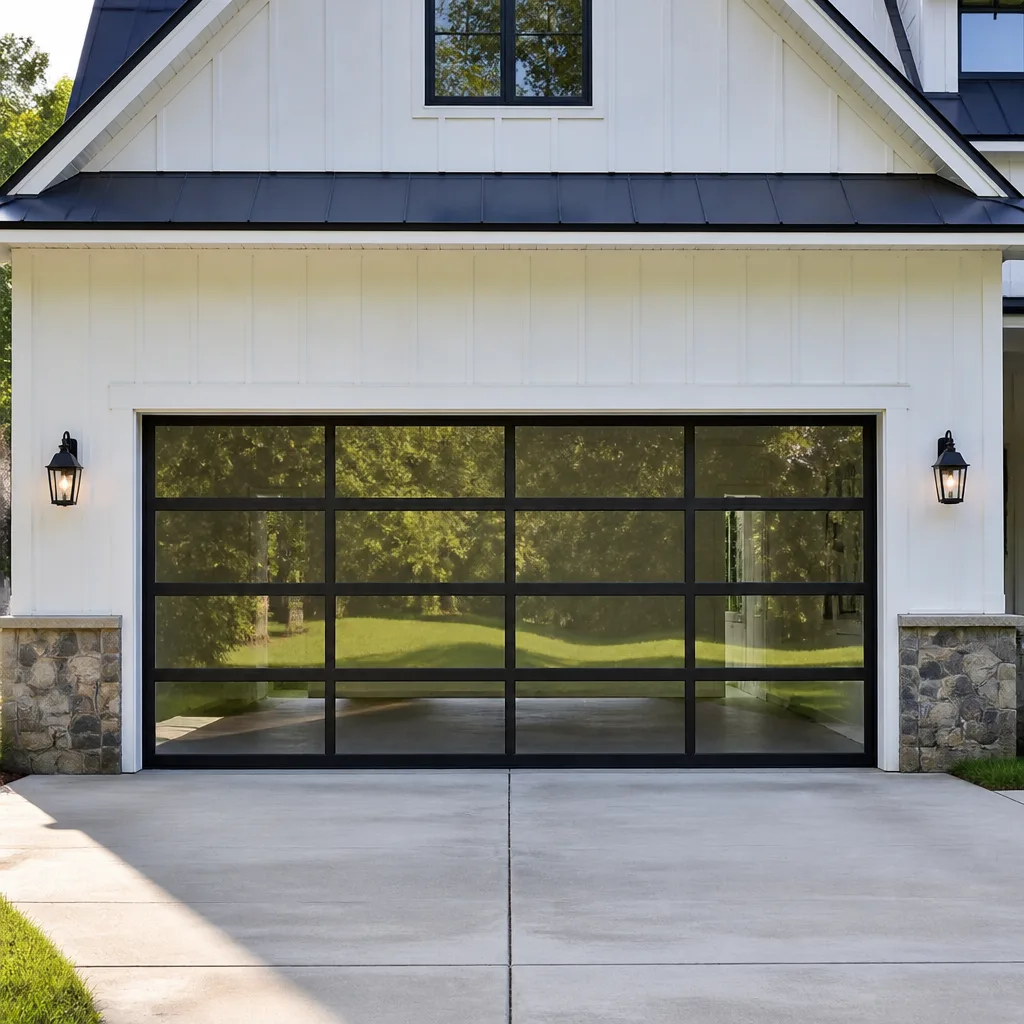 Full-view glass
 LiftMaster openers
 Chamberlain openers
Full 25-point door and opener safety check with every visit - springs, cables, rollers, tracks, and your LiftMaster or Chamberlain opener included
You get a price before we start. It does not change when the pro arrives.
Get your free estimateGarage Door Repair Maintenance Checklist for Suffolk Homeowners
Most garage door checklists are written for a climate that doesn’t exist here. They tell you to lubricate “quarterly” and inspect “seasonally,” as if Suffolk weather moved on a calendar instead of a barometer. It doesn’t. A single missed lubrication cycle during Suffolk’s August humidity can do more damage to a torsion spring than a year of ordinary use in a drier part of the country. The door that groans in July isn’t the same door that ran quietly in April, and the maintenance schedule should reflect that. This guide lays out a checklist timed to the conditions that actually stress a garage door in Suffolk, Virginia – the humidity spikes, the hurricane-season wind and rain, and the temperature swings that work the seals and springs hardest.
Quick Answer
A garage door maintenance checklist for Suffolk homeowners should be scheduled around humidity and storm season, not the calendar quarter. That means lubricating moving parts before and during the summer humidity peak, checking weatherstripping after every stretch of heat-and-humidity cycling, testing the safety reverse monthly, and having torsion springs inspected by a trained technician at least once a year. The steps below break each task down by season so you’re working with Suffolk’s climate instead of against it.
Styles & brands we work with
- Raised-panel steel
- Carriage house
- Modern flush
- Full-view glass
- LiftMaster openers
- Chamberlain openers
Table of Contents
- Why Suffolk’s Climate Sets the Maintenance Schedule
- The Suffolk Humidity-Triggered Maintenance Calendar
- Lubrication: What Works and What Breaks Down in Humidity
- Inspecting Weatherstripping for Heat-and-Humidity Failure
- The Five-Minute Torsion Spring Safety Check
- The Balance Test and Safety Reverse Test
- Maintenance That Voids Your Manufacturer Warranty
- What a Professional Maintenance Visit Covers
Why Suffolk’s Climate Sets the Maintenance Schedule
Suffolk sits in the Hampton Roads region of southeastern Virginia, and that location comes with a specific set of conditions that age a garage door faster than the national average. The two big ones are summer humidity and hurricane season. Neither is a once-a-year event. Both work on your door for months at a stretch, and the wear they cause is cumulative and mostly invisible until something fails.
The humidity is the quieter problem. Garage doors are built from steel, aluminum, wood, and a mix of rubber and plastic seals, all moving against each other on springs, hinges, and rollers. When the air holds a lot of moisture for weeks at a time, two things happen. First, metal parts that would otherwise stay slick start to collect a fine film of surface rust, especially on painted steel panels and the hinges. Second, any lubricant that wasn’t designed for wet conditions thins out, runs, or evaporates faster than it should. The moving parts then run dry, and dry parts wear faster and make more noise.
Then there’s the temperature swing. Suffolk summers push into the high 80s and 90s, and winters dip toward freezing. Every one of those cycles makes the door panels and the weatherstripping expand and contract. Rubber seals that get baked in the heat of July and then flexed in the cold of January crack and split at a much higher rate than seals in a mild climate. Tracking that expansion and contraction is the single most useful maintenance habit you can build here.
Finally, hurricane season runs from June through November. That’s not just a wind threat. It’s a rain and pressure-change threat that stresses the door’s seals and the balance of the whole system. A door that’s slightly out of balance in calm weather can become noticeably worse after a run of storms. Building maintenance around these three forces – humidity, temperature cycling, and storm season – is what makes a Suffolk checklist different from a generic one.
The Suffolk Humidity-Triggered Maintenance Calendar
Forget quarterly reminders. Here’s how the maintenance year actually breaks down for a door in Suffolk, timed to the weather and the stress it puts on the system.
- Late spring (April-May), before the humidity arrives: This is your deep-clean and re-lubricate window. Wipe down the tracks, clear out grit and debris, and apply a fresh coat of lubricant to hinges, rollers, and springs. Do it now while the air is still relatively dry, so the lubricant has a chance to settle in before the wet months.
- Early summer (June), as hurricane season opens: Inspect weatherstripping along the bottom and sides of the door. Check that the door is balanced and that the safety reverse works. Tighten any loose hardware on the hinges, brackets, and track mounts. This is the last easy window before the heat and rain peak.
- Mid-summer humidity peak (July-August): Re-check lubrication mid-season; this is when dry-running shows up as noise or a sluggish feel. Listen to the door. A door that suddenly groans, squeaks, or runs slower than it did in spring is telling you the summer humidity is doing its work.
- Late summer and storm watch (September-October): After any significant storm, check the seals, the alignment of the door in the tracks, and whether the door still opens and closes smoothly. Storm pressure changes can bend or misalign tracks.
- Fall (November): A full inspection before the cold sets in. Check for cracks in the weatherstripping that formed during the hot months – they tend to show up now, when the rubber flexes in cooler air. Lubricate again for the winter.
- Winter (December-February): Cold-weather checks. The door should run without straining. Listen for a change in the opener’s sound. Cold thickens grease and can make an older opener struggle. Watch for frost or ice on the bottom seal, which can grab and tear.
- Early spring (March): Post-winter inspection. Cracked seals, rust spots on steel panels, loose hinges. Then start the cycle again with the late-spring deep clean.
Notice the pattern. Instead of one checklist repeated four times a year, the schedule bends around Suffolk’s two stress peaks: the summer humidity and the hurricane season that overlaps it. If you only do one full maintenance pass, do it in late spring, before the heat and wet weather arrive.
Lubrication: What Works and What Breaks Down in Humidity
Lubricant choice is where a lot of Suffolk homeowners go wrong, and it’s not their fault. Most general-purpose spray lubricants on the hardware store shelf were formulated for indoor or dry-climate use. In high humidity, those products break down quickly. Some thin out and drip off the moving parts within weeks. Others turn gummy, trapping grit and dust and turning a hinge into a grinding paste. Neither outcome protects your door.
For a garage door in Suffolk, the priority is a lubricant that stays put and resists moisture. Here’s how the common options stack up:
- White lithium grease: A reasonable mid-range choice for hinges and rollers. It resists moisture better than a thin silicone spray, but in the peak of summer humidity it can still soften. Apply it in a thin coat, not a thick blob.
- Silicone spray: Good for the tracks and for rubber seals, because it doesn’t attract dust. It’s less protective against rust on metal parts and needs more frequent reapplication in wet weather.
- Garage-door-specific lubricant: The most reliable option. Products made for garage doors are formulated to cling to moving parts and hold up in humidity. Read the label and pick one that says it resists moisture and won’t attract dust.
- What to avoid: General-purpose oils and WD-40-style penetrating sprays. They’re useful for loosening a stuck bolt, but they evaporate too fast to lubricate a moving part through a Suffolk summer, and the residue attracts grit.
Apply lubricant to the hinges, the roller stems (not the track surface), the torsion spring coils (a light coat only), and the lock and latch mechanism if you have one. Keep lubricant off the track itself. The track needs to stay clean and dry so the rollers can run freely, and grease on the track will collect dust and grit and cause the door to bind.
A simple rule for Suffolk: lubricate before the humidity arrives in late spring, check again mid-summer, and reapply in the fall before the cold. If your door starts squeaking or groaning in August, that’s your cue that the lubricant has broken down early. Reapply and listen again.
Inspecting Weatherstripping for Heat-and-Humidity Failure
Weatherstripping is the most neglected part of a garage door, and in Suffolk it’s also one of the most stressed. The bottom seal and the side and top seals do three jobs at once: they keep rain and wind out, they keep heat and humidity out of the garage, and they cushion the door against the frame. All three are tested hard by a Hampton Roads summer.
The failure mode here is specific. Rubber and vinyl seals expand in the summer heat and contract in the cooler months. Every cycle works the material a little more. Over one Suffolk summer, a seal that was flexible in May can develop hairline cracks by September. Those cracks don’t just let air in. They let water in during a storm, and that water gets into the garage and onto the door’s metal hardware, starting a rust cycle that’s hard to stop.
Here’s what to check, and where to look:
- The bottom seal: Close the door and look from inside the garage. If you can see daylight under the door, or if the seal is flattened, cracked, or torn, it needs attention. Run a hand along it – it should feel flexible, not brittle.
- The side and top seals: Check the framing where the door meets the wall. Look for gaps, curling edges, or seals that have pulled away from the frame. In Suffolk, seals that face the afternoon sun degrade fastest.
- Cracks and splits: Inspect the rubber for fine cracks, especially at the folds. Once a seal starts to crack, it will continue to fail. A cracked seal also makes the door noisier and can let moisture into the track area.
- The threshold: Check the concrete threshold the bottom seal rests on. If it’s cracked or uneven, the seal won’t sit flat no matter how new it is.
- After storm season: Make a habit of checking the seals after every significant rain event, because that’s when a failing seal shows its weakness.
Replacing weatherstripping is one of the simpler maintenance jobs, and it pays off in a Suffolk garage. A well-sealed door keeps the humidity out of the garage, which protects the door’s hardware and anything stored inside. If seals are cracked or torn after a summer, replacing them before winter is the smart move.
The Five-Minute Torsion Spring Safety Check
This is the check most homeowners skip entirely, and it’s the one that matters most. Torsion springs store enormous energy. They’re the part of a garage door that does the lifting, and when one fails, it usually fails with a loud snap. You should never try to repair or replace a torsion spring yourself. A trained technician is the only person who should be working on that part of the door. But you can and should check the springs visually for early warning signs, because a spring that’s about to fail is doing it right now, quietly.
Here’s the five-minute visual check. It’s a look, not a touch:
- Look at the spring from a safe spot on the ground. Don’t reach up and don’t put your hands near the spring or the cables. Stand back and just look.
- Check for a visible gap. A torsion spring that has broken usually shows a clear separation in the coil – a gap where the spring has snapped apart. If you see a gap, the spring is broken and the door should not be operated.
- Look for rust and discoloration. Springs are steel. In Suffolk’s humidity, they can develop surface rust. Significant rust or dark discoloration can mean the spring is weakening.
- Listen. A spring under tension can make a creaking or popping sound as the door moves. A loud snap followed by the door feeling much heavier than usual is a sign the spring has failed.
- Test the door weight carefully. Open the door a few inches and let go. A properly balanced door should hold roughly in place. If the door feels unusually heavy or slams down, the springs may be failing or out of adjustment. Don’t force it.
If the spring shows a gap or the door is much heavier than usual, stop using the door and call a technician. Springs are the most dangerous part of any garage door, and this check is about spotting a problem early, not fixing one. Our technicians have up to 9 years of experience with spring repairs, and we treat garage door spring repair as its own dedicated service for exactly this reason. The visual check is the homeowner’s job. The replacement is the technician’s.
The Balance Test and Safety Reverse Test
Two simple tests catch most functional problems before they become failures, and both take under five minutes. They’re separate from the spring check because they test the whole system, not just one part.
The balance test tells you whether the springs and the door’s weight are in agreement. A door that’s out of balance puts extra strain on the opener, which is a common reason openers fail early. Here’s how it goes:
- Start with the door closed and the opener disengaged (most openers have a release handle that pulls the door off the opener track).
- Lift the door by hand to about waist height and stop.
- Let go. A balanced door should stay roughly where you left it. A door that falls quickly is under-sprung; a door that rises on its own is over-sprung.
- If it drifts badly, the springs need adjustment. Don’t try to fix the balance yourself – call a technician.
The safety reverse test confirms the door’s most important safety feature works. Every garage door built since the early 1990s has a safety reverse system that stops and reverses the door if it meets an obstruction. In a humid climate, the sensors can collect dust and moisture and stop working correctly. Test it monthly:
- Open the door fully, then close it using the opener.
- Wave a long object (like a broom handle) in front of the photo-eye sensors while the door is closing.
- The door should reverse immediately. If it doesn’t, the sensor is misaligned, dirty, or faulty, and the door is a safety risk.
- Also test the mechanical reverse: place a 2×4 flat on the ground in the door’s path and close the door. It should reverse on contact.
Both tests are quick and both catch problems the eye won’t. If a test fails, call a professional. A garage door opener repair visit can fix most sensor and reverse issues quickly.
Maintenance That Voids Your Manufacturer Warranty
Here’s a part of maintenance that almost no homeowner checklist covers: doing some jobs yourself can void your manufacturer’s warranty. If your door or opener is still under warranty, a few of the tasks above have to be handed to a qualified technician, or the warranty coverage on the affected part disappears.
The main risk areas are the parts that carry the manufacturer’s coverage:
- Spring replacement: If you or a handyman replace a torsion spring yourself, the manufacturer’s spring warranty won’t cover the door or new spring. Springs are a precision part, and most manufacturers require installation by a qualified technician to keep the warranty valid.
- Opener repair: Opening the opener housing and working on the internal components can void the opener warranty. This includes the safety sensors and the logic board. If your opener is a LiftMaster, Chamberlain, Genie, or Craftsman system that’s still under warranty, internal repairs should go to a technician.
- Track and panel adjustments: If a door comes out of alignment from a home repair, the door manufacturer may decline a warranty claim on panels or hardware. Tracks and panels are easy to bend and hard to un-bend.
- Improper lubrication: Some manufacturers specify which lubricants are approved. Using a lubricant that collects grit can damage the rollers, and the warranty won’t cover damage from improper maintenance.
The way to stay compliant is simple: keep records of what you’ve done and when. Do the cleaning, the visual inspections, and the safety tests yourself, because those don’t touch the covered parts. Leave the spring work, the opener internals, and any track adjustment to a trained technician, and keep the receipts. When a warranty claim comes up, that record is what protects you. Our technicians work on the brand you already have, including Amarr, Wayne Dalton, Craftsman, and Raynor systems, so the warranty requirements for your specific door are something we’re used to handling.
What a Professional Maintenance Visit Covers
A professional maintenance visit fills the gap that a homeowner checklist can’t. The tasks above are the ones you should be doing yourself. A maintenance visit covers the tasks that need training, tools, and a trained eye – the ones that fall under the warranty rules above and the danger of the torsion spring.
When a technician comes out for a maintenance visit, the work typically includes:
- A full inspection of the torsion springs, including checking the coils for stress and the springs’ anchor points.
- Adjustment of the door’s balance if the springs are out of tension.
- Inspection and adjustment of the tracks to check for bends, misalignment, and loose mounts.
- Checking the opener’s force settings and safety reverse system, and testing the sensors.
- Inspecting the rollers and hinges for wear, and lubricating the system with a moisture-resistant product.
- Checking the weatherstripping and pointing out what needs replacement.
- A written summary of what was done and what’s likely to need attention next.
If the visit uncovers a problem, the same company can handle the fix. We take on everything from a single broken spring to a full new installation, including garage door repair, opener service, and new doors from brands like Clopay and Amarr. That full-lifecycle coverage means you don’t have to find a second provider when maintenance turns into a repair.
Common Mistakes to Avoid
- Following a generic quarterly schedule. A checklist built for a mild climate won’t catch the humidity damage that Suffolk summers cause. Time the checks to the weather instead.
- Using the wrong lubricant. General-purpose sprays break down fast in high humidity and can turn sticky. Use a garage-door-specific product that resists moisture and stays put through the summer.
- Greasing the tracks. The tracks should be clean and dry. Grease on the track collects grit and makes the door bind. Lubricate the hinges and roller stems, not the track.
- Skipping the spring check. The five-minute visual spring check is the single most important thing a homeowner can do. Skipping it is how a spring failure catches you by surprise.
- Ignoring the weatherstripping until it leaks. Cracked seals in Suffolk are normal after a hot summer. Replace them before they let water reach the door’s hardware.
- Doing spring work yourself. This is the biggest mistake, and the most dangerous. Torsion springs are under extreme tension, and an untrained attempt can cause serious injury. Leave spring repair to a technician.
- Not testing the safety reverse. The photo-eye sensors collect dust and moisture in the humidity and can quietly stop working. A door that doesn’t reverse is a safety hazard.
See the difference
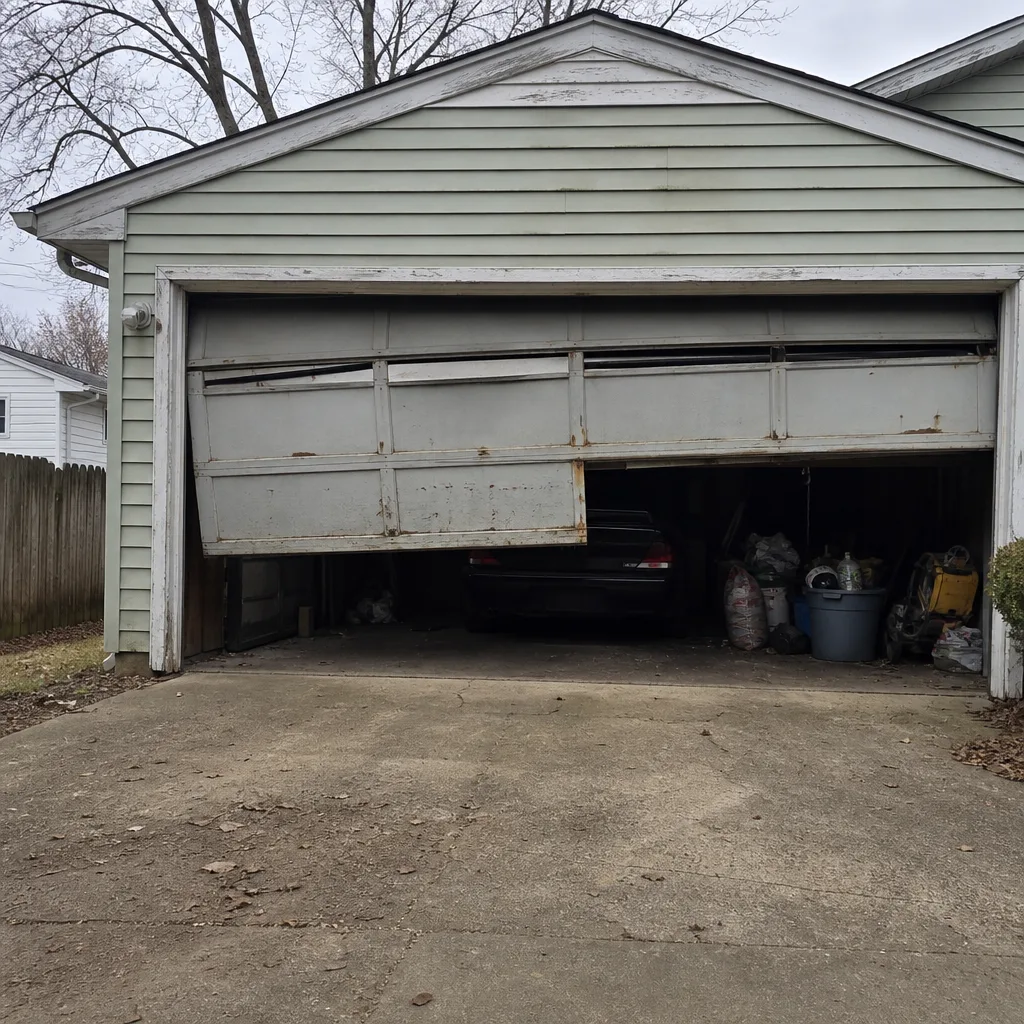 Before
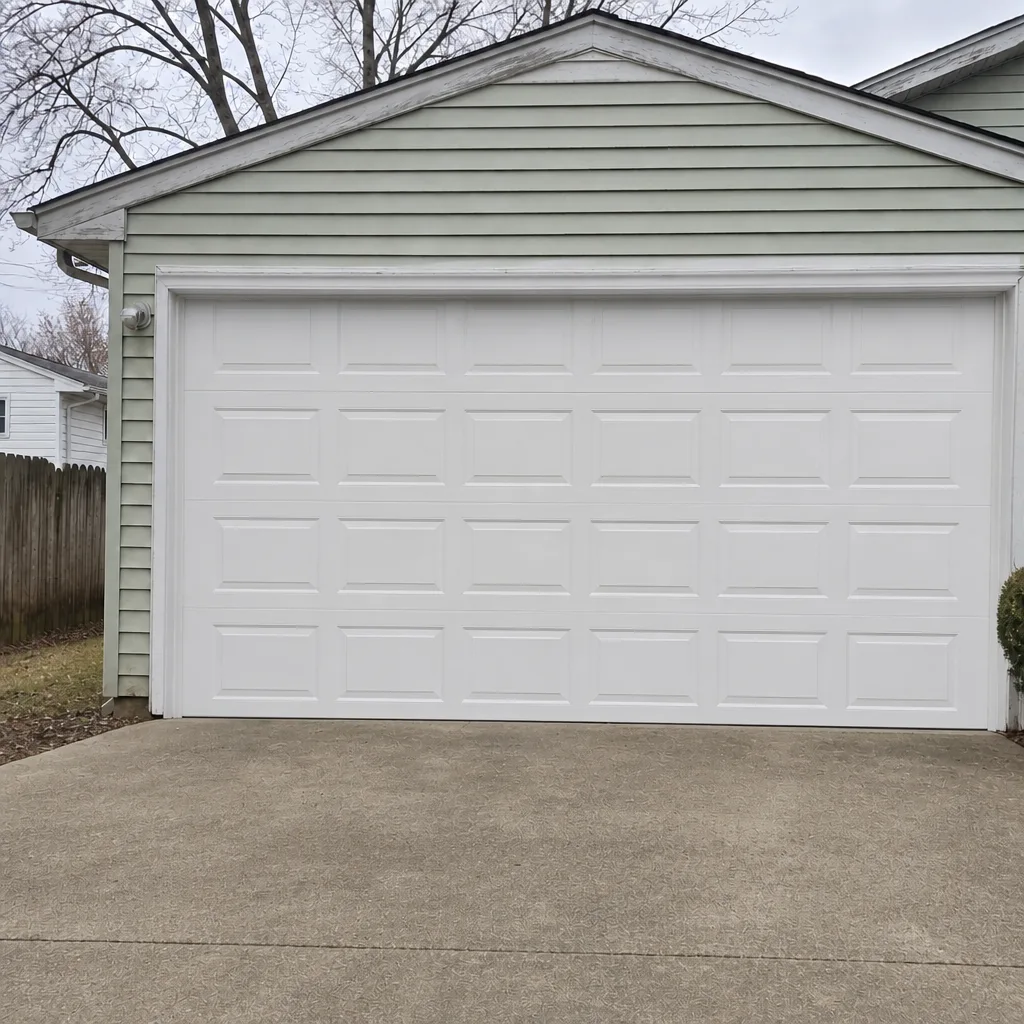 After
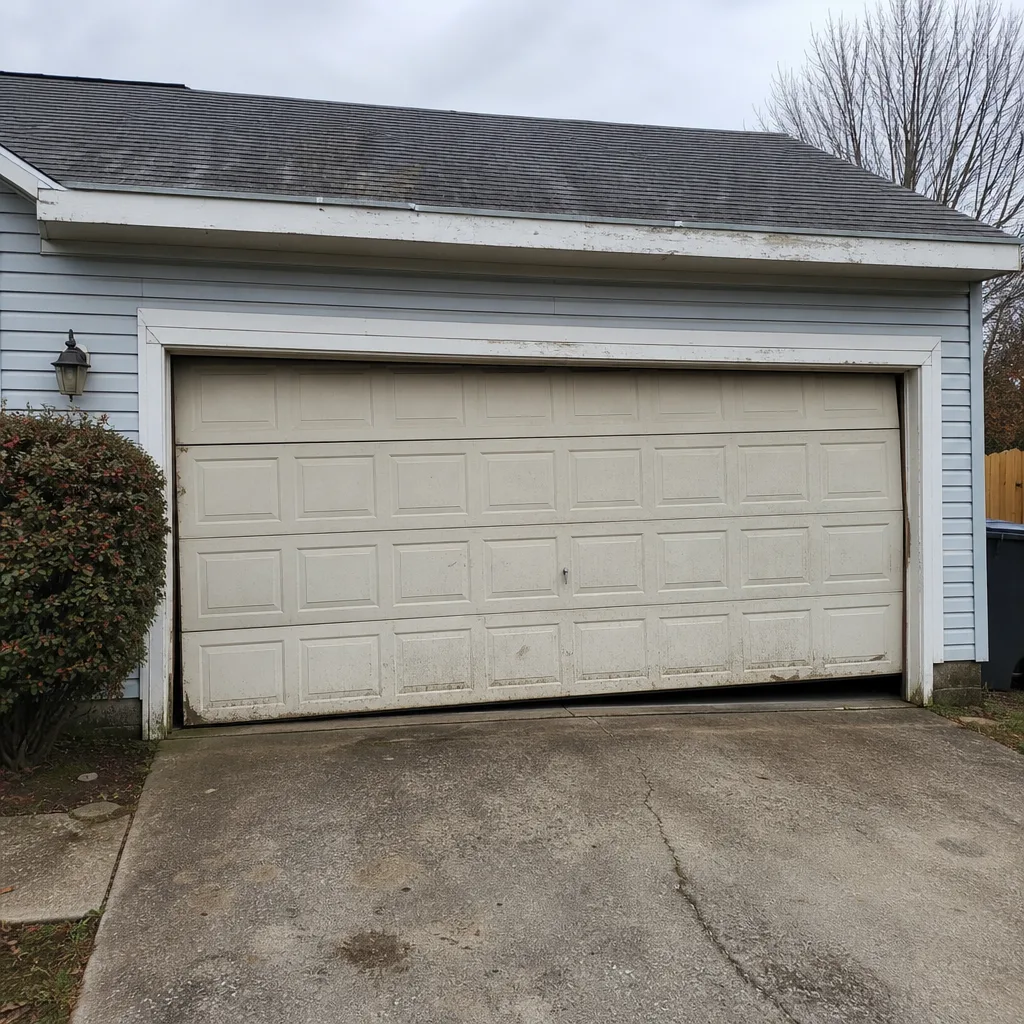 Before
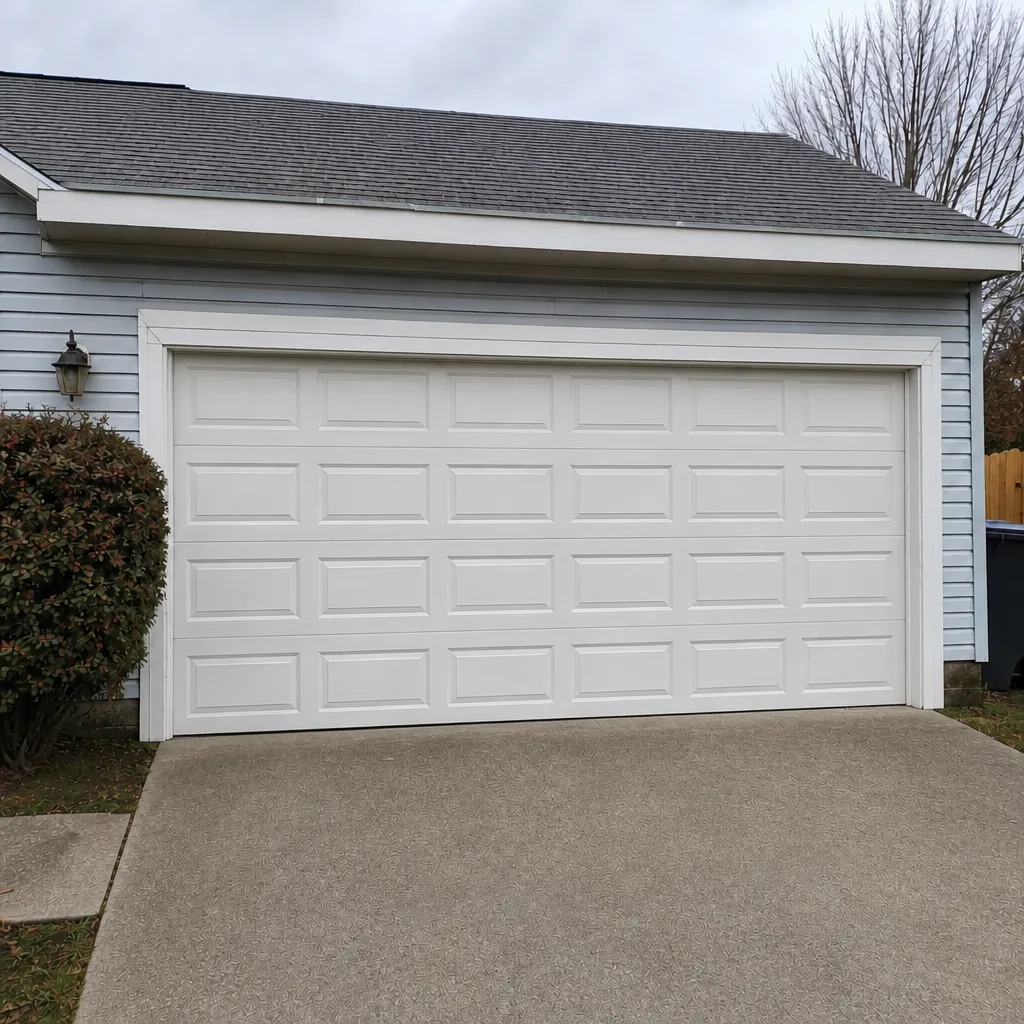 After
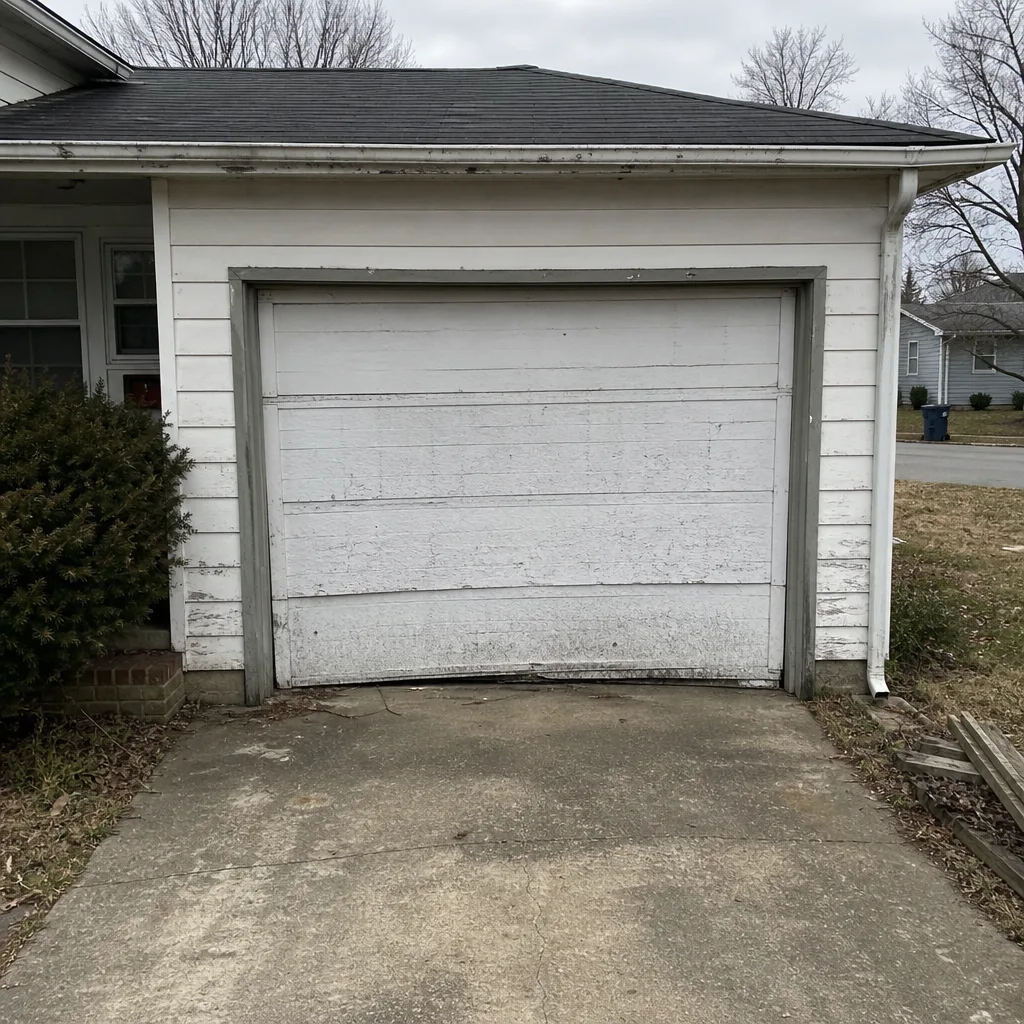 Before
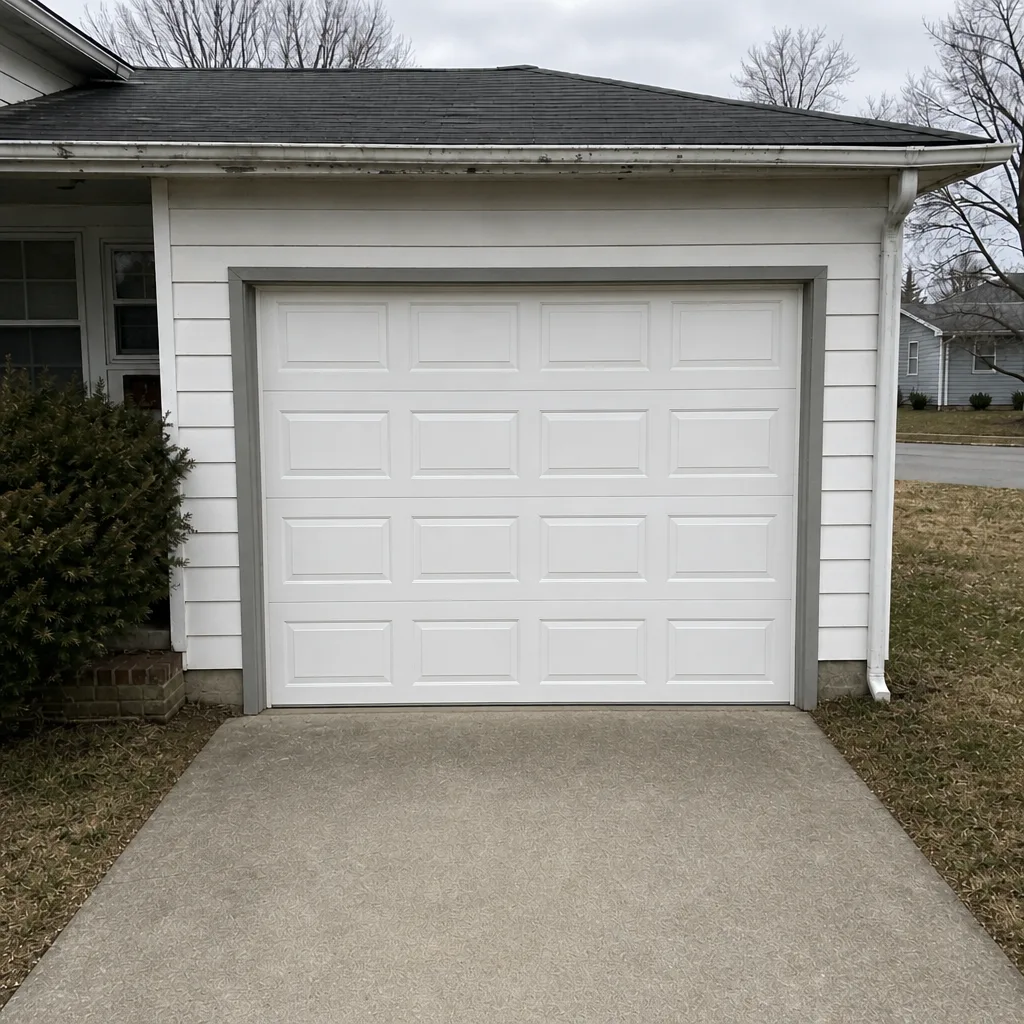 After
When to Call a Professional
Some maintenance belongs to you, and some belongs to a trained technician. Call a professional if you see a gap in a torsion spring, if the door feels unusually heavy, if it comes off its tracks, if the opener stops responding or runs but doesn’t lift the door, or if the safety reverse test fails. Also call if a storm has left the door misaligned or if the weatherstripping has failed badly enough to let water in. We offer free estimates in Suffolk, and our technicians are experienced with the models you already own. Suffolk Garage Door Repair Pros offers free estimates in Suffolk – call (855) 894-0378. We answer 24/7. Fast dispatch from 7am to 7pm, Sunday through Friday.
Emergency service is part of what we do, not an add-on. If a door is stuck open and the garage is exposed, or stuck closed when you need to get out, we can respond. When a door fails on a Saturday, call and we’ll book you for Sunday. Our service area includes Suffolk and the surrounding Hampton Roads area, and our Suffolk Garage Door Repair Pros team handles repair, opener work, spring work, and new installation.
Frequently Asked Questions
In Suffolk, you should lubricate the moving parts before the summer humidity arrives in late spring, check again mid-summer, and reapply in the fall. That’s more frequent than the once-a-quarter schedule many generic guides suggest, because the humidity here breaks down lubricant faster. If the door starts squeaking or running rough in the middle of summer, that’s your sign to reapply. Call (855) 894-0378 for an exact quote on a maintenance visit – estimates are free.
You can, and should, check the springs visually from a safe distance, but you should never touch or adjust them. A visible gap in the coil, heavy rust, or a door that suddenly feels much heavier are all signs to stop using the door and call a technician. Springs are the most dangerous part of a garage door, so this is a look-only check. Call (855) 894-0378 for an exact quote on spring repair – estimates are free.
If you can see daylight under a closed door, or if the bottom or side seals feel brittle, cracked, or torn, the weatherstripping needs replacing. In Suffolk, the heat-and-humidity cycling of a single summer is enough to crack a seal that was fine in spring. Check the seals after storm season as well. Call (855) 894-0378 for an exact quote – estimates are free.
Not all of it, but some tasks can. Cleaning, visual inspections, and safety tests are fine to do yourself. Spring replacement, opener internals, and track or panel adjustments should be done by a qualified technician to keep the manufacturer’s warranty valid. Keep records of what you’ve done and when, so you can show the door has been maintained properly. Call (855) 894-0378 for an exact quote on a maintenance visit – estimates are free.
Summer humidity is usually the cause. Lubricant breaks down or thins out, and the moving parts run dry, making the door sluggish. The heat can also soften the weatherstripping, and an older opener may struggle more in the heat. A fresh lubrication and a balance check usually fix the sluggishness. If the door is still slow after that, the opener may be the issue. Call (855) 894-0378 for an exact quote – estimates are free.
For repair issues like a door that’s stuck or a failed spring, we can usually offer same-day service, and our technicians have up to 9 years of experience with these failures. For a scheduled maintenance visit, we’ll set a time that works with your week. Call (855) 894-0378. We answer 24/7. Fast dispatch from 7am to 7pm, Sunday through Friday.
The Bottom Line
A garage door checklist for Suffolk has to be built around the local climate, not the calendar. The two things that wear your door out fastest here are the summer humidity that breaks down lubricant, and the hurricane season that stresses the seals and the tracks. Time your lubrication to late spring and mid-summer, inspect your weatherstripping after the heat and after storms, and run the five-minute spring check and the safety reverse test regularly. Leave the spring work, the opener internals, and any track adjustment to a trained technician, both for safety and to keep your manufacturer’s warranty intact. Do those things and your door stays in working order through the season that tests it hardest. If a check turns up a problem, or you’d rather have a technician handle the full inspection, call (855) 894-0378 for a free estimate.
Written by the team at Suffolk Garage Door Repair Pros.